on Tripadvisor


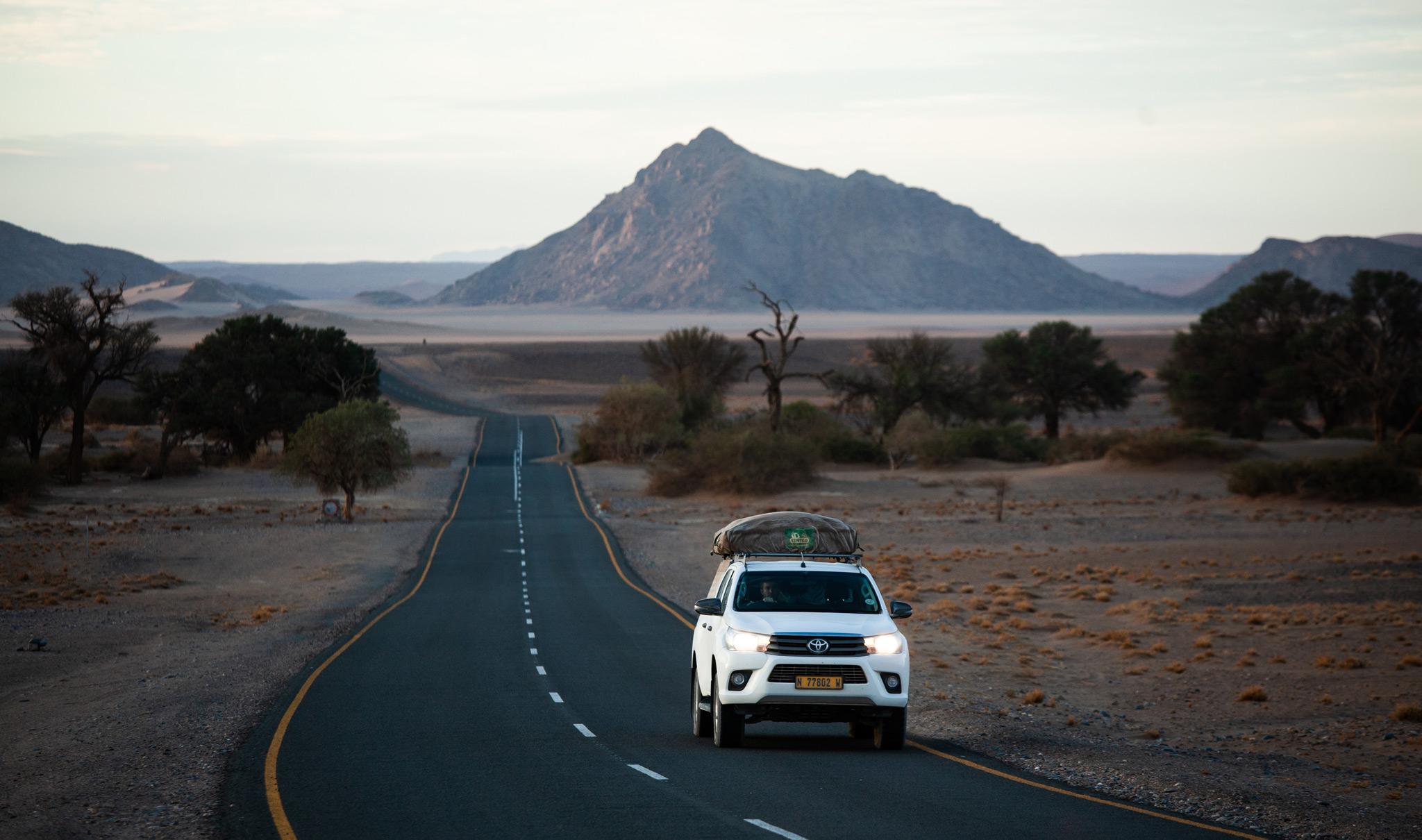
With its breathtaking scenery, wide open roads and well established infrastructure, Namibia is known as one of Africa’s premier self-drive destinations.
Driving through the wide open landscapes provides a sense of freedom that is hard to beat. That being said, independent travellers and first-time visitors to Namibia often have concerns regarding self-driving safaris.
While driving in Namibia is generally safe, it’s essential to be prepared and to understand the local conditions. This includes renting reliable and offroad-worthy vehicles as well as navigation in remote areas.
To ensure a safe self-drive adventure, Namibia Experience provides expert support, detailed travel and route planning, and reliable vehicles from trusted partners. Read on to get indebth insight on the question: Is it safe to self-drive in Namibia?
Road Conditions in Namibia
Namibia’s roads vary from tarred highways to gravel or dirt tracks, all of which have relatively little traffic. While main routes are well-maintained, many scenic drives are a bit trickier, requiring careful and slow driving.
Types of Roads You’ll Encounter
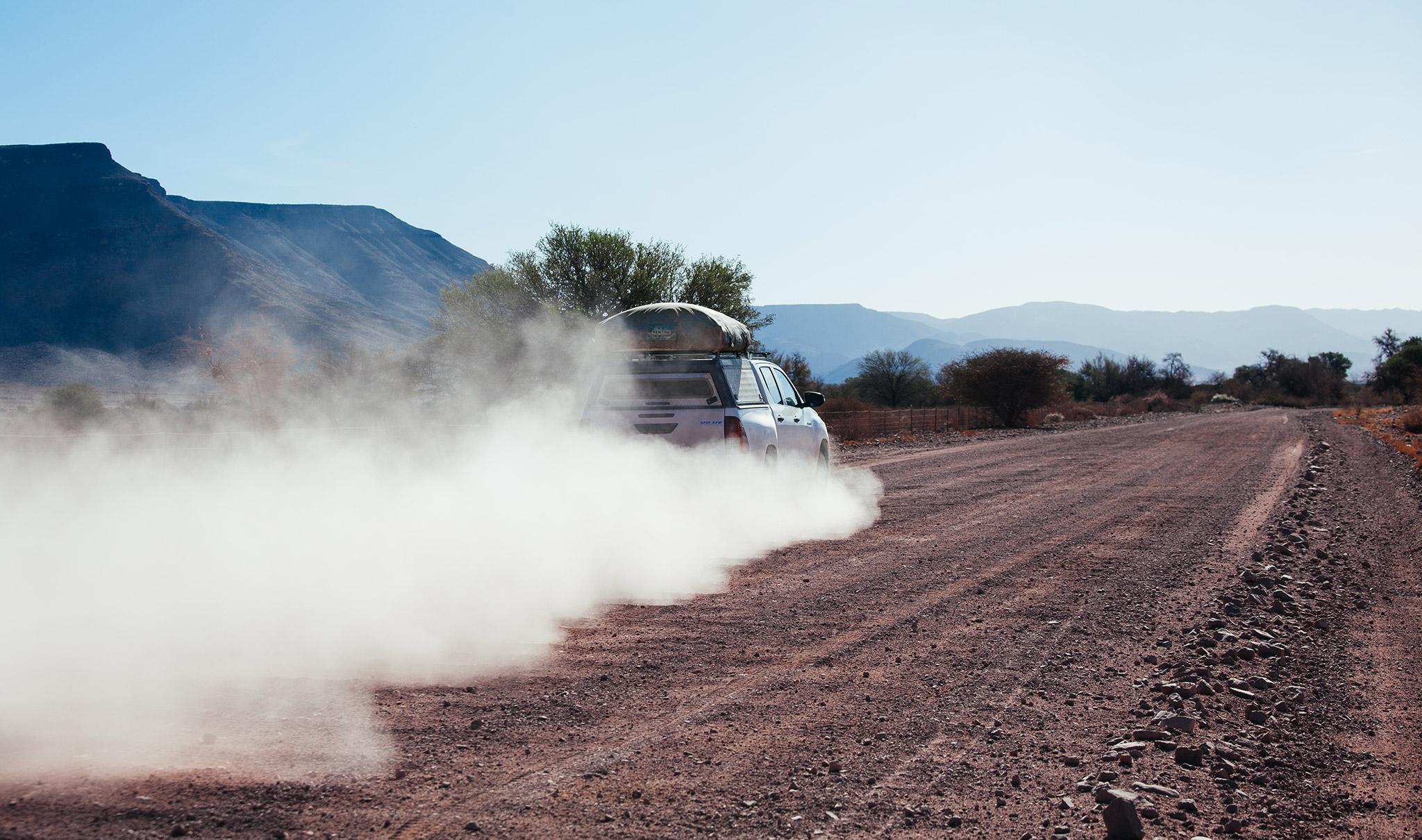
Namibia’s road network consists of tarred highways, gravel roads, and sandy or salt tracks. Asphalt roads – mainly found between major towns – are generally in excellent condition. Gravel and dirt roads are more common; they vary depending on region, recent weather, and maintenance.
Always drive cautiously and check local conditions before setting out, especially in remote areas and bad weather. In the rainy season, certain tracks may become slippery or impassable.
2WD vs 4WD – What Vehicle Do You Need?
In Namibia, the type of vehicle to rent largely depends on where you want to go. A 2WD vehicle is suitable for major tourist routes and most national parks in the dry season.
However, a 4WD is strongly recommended for most self-drive safaris in Namibia. This includes plans to visit remote areas and venture into regions like Damaraland or Kaokoland. The same is true for the rainy season.
Contact us to get advice on the best vehicle type for your specific route and travel dates.
Self-Drive Tours You Might Enjoy:
The Best of Namibia
Places Windhoek, Kalahari, Fish River Canyon, Luderitz, Tiras Mountains, Namib Desert, Swakopmund, Ugab Valley, Etosha National Park, Waterberg Plateau
from getting current exchange rate… per person sharing

Namibia Highlights in Style
Places Windhoek, Okonjima, Onguma Reserves, Twyfelfontein, Erongo Mountains, Swakopmund, Namib Desert
from getting current exchange rate… per person sharing
Driving Hazards and Risks
Even though self-driving in Namibia is generally safe, there are certain challenges, such as wildlife on the roads that need to be considered when asking: Is it safe to self-drive in Namibia. Others include road and infrastructure – think gravel over long distances, and limited services in remote regions.
Wildlife and Animal Encounters
Wildlife on or near the road is fairly common, especially when driving through national parks or remote areas. Animals are particularly active at dawn, dusk, and during the night. This makes encounters in the dark more likely than during daytime, and it also poses greater risks.
While animal attacks are not common, make sure to always keep a distance and remain in the car during encounters. Always remain alert, particularly in game reserves or regions known for free-roaming livestock.
Road Safety and Common Challenges
Roads in Namibia’s desert and semi-desert landscapes are often rough and uneven, and punctures are not uncommon. Hazards include potholes, sand patches, loose stones, and corrugation, and they all require cautious driving. It is best to keep the speed steady and slow – there is no need to rush!
More often than not, driving distances are vast, so it’s important to plan regular breaks. Stay hydrated and take turns driving. Instead of rushing your journey, enjoy the scenery and the wildlife you may encounter along the way.
Navigating Namibia’s Roads
Although GPS and Google Maps are useful, they’re not always reliable in remote regions. It’s a good idea to download offline maps and carry a detailed paper map as backup.
Plan your route in advance and don’t forget to factor in fuel stops, road conditions, and estimated travel times.
While some tracks may appear to be short cuts, they can be slow-going. Namibia Experience offers detailed route advice to help you avoid detours and misdirection.
Fuel, Distances & Breakdowns
In a country as vast and sparsely populated as Namibia, fuel stations can be hundreds of kilometres apart. Refuelling is advisable whenever you pass a filling station. Also make sure to carry some extra fuel.
Be aware that card machines may not work in some rural locations, so bring some cash (enough to at least fill your car up). Save emergency numbers and ensure someone knows your route, as mobile reception is often limited.

Emergency Preparedness and Support – Is it safe to self-drive in Namibia
When self-driving in Namibia, preparation is key! Make sure your vehicle is equipped with the necessary basics: A first aid kit, spare tyres, extra fuel, and plenty of water.
Most rental vehicles come with roadside assistance coverage, but it’s wise to check the details before departure.
At Namibia Experience, we provide an in-person self-drive briefing upon your arrival to help you feel confident and informed. In case of emergencies, contact the car rental company directly. They will arrange towing if required, and in some cases offer further support. It is your responsibility, however, to notify the police and, if necessary, request an ambulance.
For remote areas without mobile signal, a satellite phone is strongly recommended. We will provide you with an emergency number that can be used in case of accidents, thefts or other incidents. Our team on the ground in Namibia is happy to assist as a first point of contact.
Where to Stay on a Self-Drive Trip
As a premier safari destination, Namibia offers accommodation options that range from wild camping to luxury lodges. Whether you prefer a tent or a comfortable bed, make sure to always choose safe, well-located overnight stops. We have to consider accommodation when considering the question: Is it safe to self-drive in Namibia?
Wild Camping and Safety Concerns
Due to general safety and environmental concerns, wild camping in Namibia is generally prohibited in most national parks and reserves, and we do not advise it even outside of these areas. The country is known for its established camping infrastructure, with well-equipped camp sites in most national parks.
Plan your overnight stops in advance and choose reputable locations that have good ratings. To avoid disappointments, it is advisable to book ahead, especially for popular areas such as Etosha National Park or Sossusvlei.
Security at Overnight Stops
While lodges and campsites in Namibia offer good security, it’s important to take precautions. While crime in towns is rare, thefts can happen. Always lock your vehicle and keep valuables out of sight and avoid leaving your luggage on roof racks.
For peace of mind, contact us to book your accommodation. We work with trusted local providers that offer a range of secure options – from camp sites to 5-star lodges.

Rules of the Road in Namibia
To ensure a safe – and legal – self-drive trip in Namibia it is important to understand local road rules. Familiarise yourself not only with your rental vehicle, but also with speed limits, road signage before setting off.
Driving License & Permits
Foreign visitors may drive in Namibia with a valid driving licence printed in English. If your licence is in another language, an International Driving Permit (IDP) is required. Always carry your licence, IDP (if needed), and passport while driving. Car hire companies may request both at collection.
Driving Side, Speed Limits & Signage
In Namibia, cars drive on the left-hand side of the road. If you’re used to right-hand driving, take time to adjust – especially at junctions and roundabouts.
Traffic laws, driving etiquette and speed limits are similar to most other countries: 120 km/h (74.5 m/h) on tarred highways, 100 km/h (62 m/h) on gravel roads, and 60 km/h (37 m/h) in towns. Always watch for road signs, animals crossing, and unexpected changes in road surface or conditions.
Seasonal Considerations
The weather can have a significant impact on road conditions in Namibia. During the rainy season, some gravel roads may become muddy, flooded, or even impassable, especially in more remote areas. In contrast, the dry season typically offers more predictable driving conditions but you may encounter loose sand and dust.
When planning your journey, be sure to check weather forecasts and road reports regularly. Adjust your driving style to suit conditions, reduce speed on slippery or sandy roads, and factor in some extra time. Always carry sufficient gas, water and supplies, just in case.

Is a Namibia Self-Drive Tour Right for You?
Thanks to its superb infrastructure, Namibia offers a truly rewarding and unforgettable driving adventure.
Allowing you the freedom to explore at your own pace, self-drive tours are ideal if you enjoy independence and flexibility. It’s a fantastic choice for photographers, wildlife enthusiasts, and road trip lovers keen to venture off the beaten track.
Perfect for Couples, Friends & Families
Self-driving in Namibia offers a very special opportunity to create shared experiences while allowing for a high degree of privacy.
Being able to choose your own pace is perfect for family travel with kids or for senior travel groups. That being said, self-driving in Namibia is ideal for any constellation, including couples and groups of friends.
You are seeking a more guided experience for you and your family? Check out our 12-day Namibia Family Tour, which offers a well-balanced itinerary with added support and comfort.
A Good Fit for First-Timers?
You wonder whether self-driving is the right choice if you are a “newbie” to Namibia? The answer is a clear yes: Namibia is one of the safest and most accessible countries in Africa for first-time self-drivers.
Its well-maintained roads and infrastructure make getting around easy, especially with comprehensive planning and local support.
We recommend starting with a shorter route or a well-travelled circuit like the Namibia Highlights Tour. Apart from taking in a number of popular sights it also includes plenty of guidance along the way.
Not Ideal If…
Exploring Namibia on your own may not be the best choice if you’re uncomfortable with driving in a foreign country. Add to that long distances, remote travel, or navigating unfamiliar terrain and you may want to book a guided itinerary. If you don’t want to take care of any logistics, book a fully structured experience instead.
The Namibia Explorer Tour takes you through the country with expert guides – allowing you to relax and enjoy every moment.

Self-Drive vs Guided Tours: Which Is Best for You?
The right choice between a guided tour and a self-drive adventure largely depends on your travel style. Consider what suits your comfort level, interests, and sense of adventure.
Advantages of Self-Drive
A self-drive tour offers the ultimate freedom and flexibility to explore Namibia at your own pace. It’s perfect if you are seeking adventure as well as authentic experiences – and are happy to take spontaneous detours. You set the schedule, stop where you like, and generally travel at your own leisure.
The Best of Namibia Touris a comprehensive itinerary that combines independence with pre-arranged accommodations. It is designed to showcase the country’s stunning landscapes and wildlife highlights.
Benefits of Guided Tours
If you are looking for a more relaxed travel experience, consider booking a guided tour. Well-organised by experts, guided travel adds an extra layer of safety and comfort.
It is particularly beneficial for first-time visitors, solo travellers, or those less confident driving long distances in remote areas. Additionally, it also allows you to gain deeper knowledge of Namibia’s wildlife, culture, and history.
For an immersive and expertly curated experience, we recommend the Magnificent Namibia tour. It combines must-see highlights with unique, off-the-beaten-path encounters. With expert guides handling navigation, logistics, and local insights, you can focus fully on enjoying the journey.
Tips for First-Time Self-Drivers in Namibia
Driving through Namibia is an exciting adventure, particularly if it’s your first time. However, preparation and a reliable, well-equipped vehicle are key. So is staying alert on long drives where fatigue can set in.
Do plan your route in advance, keep your fuel tank topped up, and carry extra fuel, water and snacks. Don’t drive after dark, speed on gravel roads, or rely solely on mobile navigation; offline and paper maps are essential.
Familiarise yourself with local road signs and conditions, take regular breaks, and switch drivers if possible. Always inform your accommodation of your expected arrival time. Be cautious of wildlife and livestock, particularly at dawn and dusk.
Drive slowly on gravel roads and give yourself extra time to reach your destination. Last but not least, avoid one of the most common mistakes: squeezing too much into your itinerary.
How Namibia-Experience Can Help
At Namibia Experience, our travel specialists craft tailor-made self-drive itineraries to suit your interests and comfort level. Our Namibia Experts provide ongoing as well as emergency support throughout your journey.
Apart from booking lodges and arranging reliable vehicle hire, they offer expert advice on routes and road conditions.
You are after some added peace of mind? Our guided tours can be booked either as an alternative or a supplement to your self-drive adventure. Whether first-timer or returning visitor, we’ll help you discover Namibia with confidence, flexibility, and local expertise by your side.

FAQs – Is It Safe to Self-Drive in Namibia?
Is Namibia safe to travel alone and is it safe to self-drive in Namibia?
Yes, Namibia is generally safe, even if you solo-travel. Stick to well-travelled routes, plan ahead, and always inform others of your itinerary for added peace of mind.
Is self-driving common in Namibia?
Yes, self-driving is a popular way to explore Namibia. Many visitors choose it for the freedom and flexibility it offers, supported by good infrastructure and reliable rental services.
Is it safe to camp in Namibia?
Camping at designated sites is safe and popular. Avoid wild camping unless you have permission. Always follow safety guidelines, especially in areas with wildlife or limited security.
How long should I drive per day if self-driving in Namibia?
Aim to drive no more than 4 to 6 hours per day. Distances are often long and tiring, especially on gravel roads. Plan regular breaks and avoid driving after dark.
What happens in case of a breakdown when self-driving in Namibia?
If you break down, stay with your vehicle and contact your rental provider or Namibia Experience support. Always carry water, a spare tyre, and emergency contact details, especially in remote areas.
Is there cell phone reception everywhere in Namibia?
In Namibia, coverage is generally available in towns and along main routes, but is limited in remote areas. Download offline maps and share travel plans before heading into isolated regions.
Final Thoughts: Is It Safe to Self-Drive in Namibia?
Self-driving in Namibia is not only entirely doable, it’s one of the most rewarding ways to explore the country. With vast landscapes and unique wildlife, it offers an unforgettable experience – if you are well-prepared and comfortable driving long distances.
At Namibia Experience, we help you get ready for an adventure of a lifetime. Contact us for expertly planned, tailor-made itineraries, local expertise and reliable rental advice.
Our expertly crafted self-drive packages and ongoing support throughout the journey make sure you travel confidently and safely. Whether seasoned road-tripper or new to self-driving, with Namibia Experience you’ll get everything you need for an extraordinary adventure.