on Tripadvisor


A Namibia safari is a dream adventure, with Namibia trip costs varying widely depending on your choices. Generally speaking, a self-drive trip can be more budget-friendly, while guided or luxury safaris naturally cost more.
However, prices are not only influenced by the type of safari and level of accommodation you choose. The time of year and additional expenses, including park fees, fuel, and optional activities, also impact the final cost.
Tips, souvenir shopping, or other extras such as excursions can quickly add up, so planning ahead is crucial.
Whether you’re travelling on a shoestring or seeking a high-end experience, Namibia offers amazing experiences for every budget. Understanding the key cost drivers will help you budget effectively and make the most of your Namibian adventure.
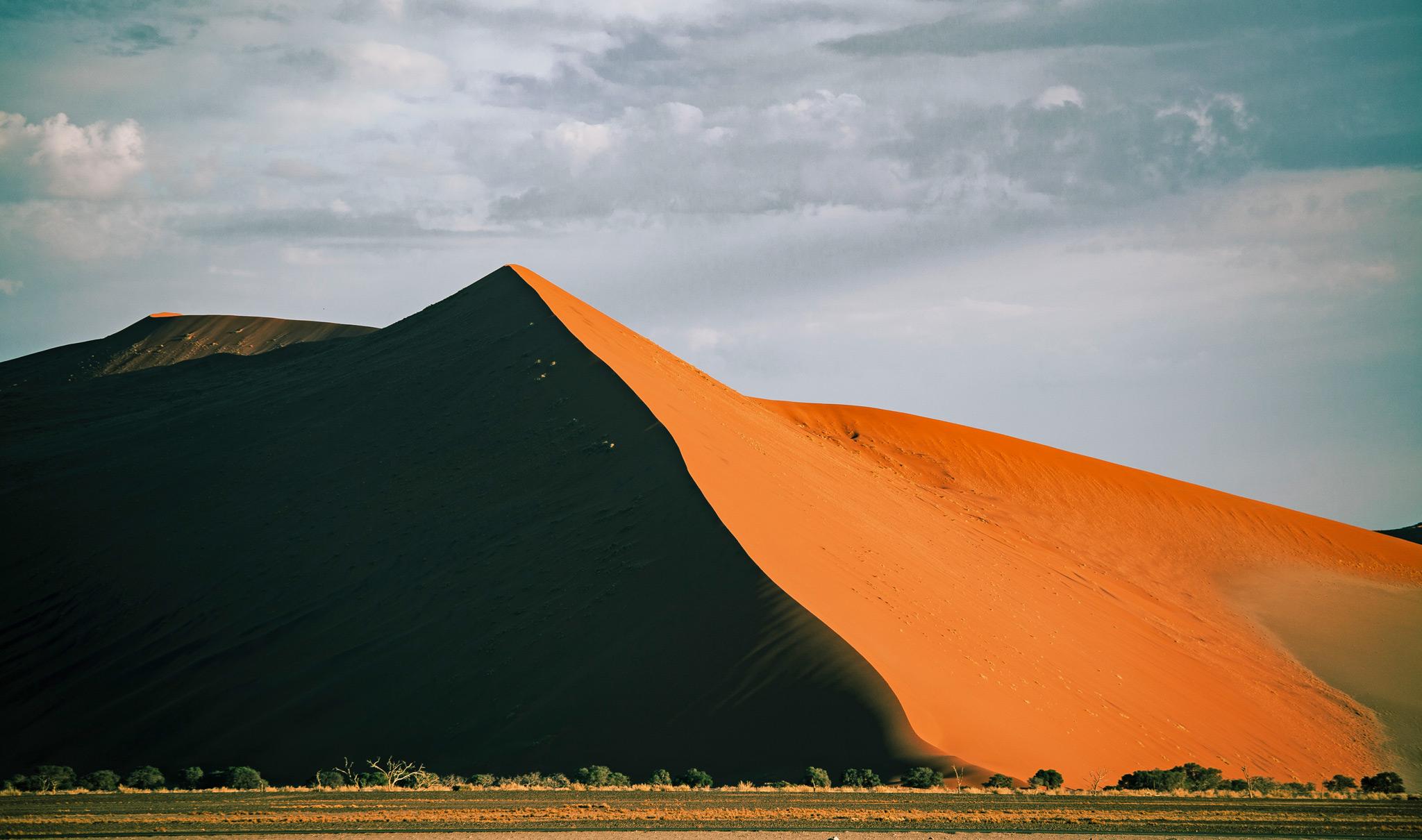
From the towering dunes of Sossusvlei to the wildlife-rich plains of Etosha National Park, the country’s landscapes are unparalleled. Choosing the right season, safari style, and accommodation allows you to balance comfort, adventure, and cost.
Some of our favorite Namibia tours:

A Namibian Journey
Places Namib Desert, Swakopmund, Skeleton Coast, Damaraland, Etosha National Park, Waterberg Area
from getting current exchange rate… (based on 6 persons)

Namibia Highlights
Places Windhoek, Namib Desert, Swakopmund, Spitzkoppe, Erongo Mountains, Damaraland, Etosha National Park, Waterberg Plateau
from getting current exchange rate… per person sharing
What Influences Your Namibia Safari Cost?
Namibia safaris costs are shaped by three major factors: season, type of safari, and accommodation level.
Considering additional factors like park fees, transport, and personal spending will help you draw up a realistic budget. With careful planning, you can enjoy an unforgettable Namibian adventure without any unwelcome surprises.
Time of Year
Like most destinations, Namibia has high, low, and shoulder seasons that affect tour prices. The high season, from June to October, coincides with dry weather, when wildlife is easier to spot, driving up costs.
Low season, during the summer rains from November to March, offers lower prices and fewer tourists. However, you should also be aware that during this time wildlife sightings may be limited.
Shoulder seasons – from April to May and November – offer a balance of moderate prices, reasonable crowds, and good wildlife viewing. When you travel will significantly impact not only costs but also the type of experience you’ll have.
From comfortable temperatures to landscape photography opportunities, it’s all down to timing.
Type of Safari
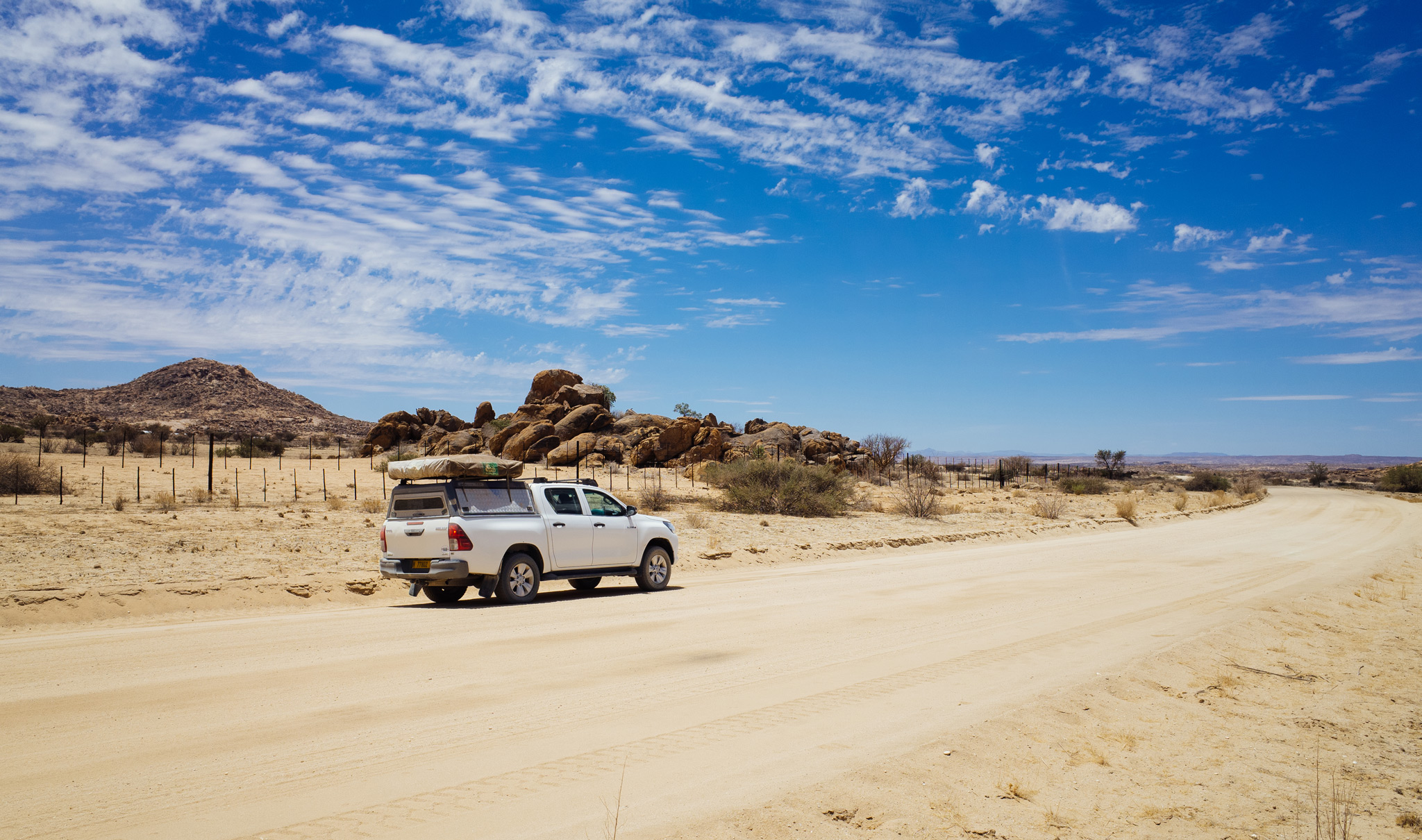
If you choose to go on safari in Namibia, you have a wide range of options – and prices – to choose from. Self-drive safaris are usually the most economical, giving you flexibility but requiring more planning.
Guided group safaris offer a structured itinerary and professional guides, typically at a moderate price. Private safaris provide a personalised experience with a dedicated guide and vehicle, increasing average costs.
Guided self-drive experiences combine adventure and expert knowledge, appealing to those seeking extraordinary experiences.
Each type offers a different balance of convenience, flexibility, and immersion in Namibia’s landscapes and wildlife. Your choice will not only influence your experience, but also strongly impact your overall budget.

Accommodation Level
Accommodation in Namibia ranges from budget campsites and lodges to mid-range guesthouses and luxury lodges. Your accommodation choice affects not only your daily expenses but also your overall experience and comfort and convenience. It is important to consider these factors when planning your trip and choosing from the following accommodation types.
While they may offer fewer amenities, budget options are ideal for self-drive travellers looking to save money. Mid-range lodges provide comfort, meals, and often guided activities at a moderate price. Luxury lodges come with high-end service, exclusive locations, and exceptional facilities, significantly increasing your Namibia trip cost.
Hidden or Unexpected Expenses
Beyond the main safari costs, travellers often encounter hidden expenses that can add up quickly. Apart from souvenir shopping, these include park entrance fees, optional activities, tips, fuel, cross-border permits, visas, and travel insurance.
Planning ahead for these additional costs ensures a smoother trip and helps avoid unexpected surprises during your time in Namibia.
Cross-Border Permits (if crossing into Botswana/South Africa)
If your Namibia safari crosses into Botswana or South Africa, you will need cross-border permits and the relevant visas.
These documents cover vehicle and passengers and often require advance applications, with average costs varying by country and vehicle type. It’s essential to factor these fees into your itinerary in order to avoid delays or fines at the border.
Optional Activities
Optional excursions, such as hot-air ballooning over the dunes, guided walks, or scenic flights, can significantly enhance your safari. However, these extras usually come at an additional cost, which varies depending on the type of experience.
Planning which activities are most important helps manage your budget while still enjoying memorable experiences unique to Namibia.

Tipping & Gratuities
Tipping is not mandatory, but customary in Namibia and can add a notable amount to your safari expenses.
Guides, lodge staff, drivers, and trackers typically receive tips based on service quality. Guides usually receive USD 4 to 8 per guest for a half-day activity such a morning or an afternoon excursion. Tips for lodge staff usually range from USD 3 to 10 per guest and night.
Including gratuities in your budget ensures you reward excellent service appropriately without overspending or feeling unprepared.
Travel Insurance
Comprehensive travel insurance is essential and should be factored into any Namibia trip cost plan. It covers medical emergencies, trips cancellations, lost luggage, and vehicle damage, with premiums depending on coverage level and trip length. Comparing options in advance helps ensure peace of mind while protecting your investment.
Fuel (if you are driving yourself)
Fuel costs are a major consideration for self-drive safaris. Distances in Namibia can be vast, and prices may fluctuate, particularly in remote areas.
Estimating kilometres and current fuel costs ahead of time not only helps avoid budget surprises. It also ensures you can plan refuelling stops along your route.
Cost Comparison – Namibia vs Other Safari Destinations
Understanding how Namibia trip costs measure against other safari destinations helps you budget wisely. While overall costs vary depending on style and season, Namibia generally offers excellent value for the quality you get.
While budget options in South Africa can be cheaper, Namibia compares favourably with other safari destinations. The following comparisons to other destinations serve as a practical overview and guidance to help you make informed decisions.
Through our sister companies in Botswana, Tanzania, Kenya, and South Africa, we also offer a wide range of safari experiences across the continent. If you are considering any of these destinations, our trusted travel experts will be happy to advise you and help you choose the option that best suits your expectations and budget.
Namibia vs Tanzania
Safaris in Tanzania, particularly in the Serengeti and Ngorongoro, tend to be pricier. This is mainly due to higher park fees, and luxury lodges. Namibia offers vast landscapes and excellent wildlife viewing at a slightly lower cost for similar levels of comfort and service.
Namibia is ideal for both classic, self drive and guided self-drive tours. Safaris in Tanzania are mostly guided group or private tours, which may also add to the costs.
Namibia vs Kenya
Slightly cheaper than Kenya for comparable accommodation, Namibia also offers fewer crowds, and a more exclusive sense of space. Kenya’s premier parks like the Masai Mara have significantly higher park fees alongside higher concentrations of wildlife.
Namibia lends itself to extensive self-drive tours and it’s unique and vast desert terrain provides a very different safari experience. Whereas Kenya, much like Tanzania offers primarily guided private of group tours, as the county is not suitable for self-drive safaris.

Namibia vs South Africa
Lodges and organised safaris in neighbouring South Africa – both in Kruger and private reserves – are similarly priced to Namibia. While South Africa’s safari destinations are generally easier to reach, Namibia offers a more remote and expansive environment.
Either country gives you plenty of options, both in terms of accommodation and safari style.
Namibia vs Botswana
Botswana is renowned for its luxury safari experiences, which typically come at a higher average cost than Namibia. The country has adopted an exclusive approach, whereas Namibia is more welcoming and accessible to a broader range of travellers.
It provides comparable comfort for slightly lower prices, and can be combined with Botswana. To find out more about our Botswana options and cross-border itineraries, chat to our travel experts, their guidance will help you design the perfect Southern African safari.
Sample Namibia Safari Costs
From self-drive adventures to luxury fly-in experiences, Namibia trip costs reflect the type of safari you choose. We’ve compiled a list of different options to give you an idea of the choices you have. Contact our travel experts to plan your tailor-made safari and receive a personalised cost estimate.
20-Day Self-Drive Safari
Our 20-day Best of Namibia self-drive safari offers a flexible, independent way to explore the country’s diverse landscapes. Ideal for travellers who enjoy freedom on the road, the itinerary takes you through southern and central Namibia.
Highlights including the Kalahari, Fish River Canyon and Etosha ensure you get to see the country in all its diversity. Accommodation is provided in comfortable guesthouses and lodges.
With plenty of time in each region, this itinerary allows for unhurried exploration. You can also add on scenic detours, and optional activities along the way. It’s an excellent choice if you are seeking both adventure and independence.
13-Day Guided Small Group Lodge Safari
Fascinating Namibia is a 13-day guided small group lodge safari that combines expert guidance with shared experiences. The tour takes you from the Namib Desert in the south to the world-famous Etosha National Park in the north.
Thanks to a guaranteed window seat, you’ll experience the highlights of this beautiful country up close. As everything is taken care of, all you have to do is sit back and take in the scenery.
This type of safari is ideal for first-time visitors to Namibia. It’s also a great choice for solo travellers wanting to share their experiences with like-minded others.
10-Day Luxury Fly-In Safari
Our 10-day luxury Namibian Fly-in Safari is the perfect choice for those who value comfort, style, and immersive experiences. It is ideal for couples and honeymooners as well as nature lovers wanting to embark on a special, once-in-a-lifetime journey.
It’s also great for photographers and adventurers seeking unique perspectives while wanting to avoid long overland drives. Experience Namibia’s iconic highlights – such as Sossusvlei and Damaraland – both from the air and the ground.
This itinerary is rounded off by unforgettable stays in exclusive, high-end lodges in spectacular settings. With seamless travel logistics and exceptional service throughout, you can expect a truly memorable adventure.

15 Day Guided Self-Drive Safari
Experience Namibia Off The Beaten Path on a 15-day guided self-drive safari that combines independence with expert support. You drive yourself in a convoy with a guide in the lead vehicle, along a predetermined route while benefiting from a local guide’s knowledge, suggested stops, and curated experiences.
Starting from Windhoek, the route leads north to the famously rugged landscapes of Damaraland and Kaokoveld. A mix of wild camping and nights spent in roof-top tents add to the adventurous character of this tour.
With its blend of autonomy and expert guidance, this journey is truly immersive. It invites adventurous explorers to experience Namibia’s wildest and most remote regions.
How to Save Money on Your Namibia Safari
Savvy planning can help reduce your Namibia safari costs without compromising your experience. There are many ways to make the most of your budget, from choosing the right season to careful overall planning.
Travel in Shoulder Season
Travelling in the shoulder seasons – from April to May and November – can make your trip significantly cheaper. Prices for lodges and flights as well as park fees are generally lower, and there are fewer tourists.
While the landscapes are often more lush after the rains, wildlife is still abundant. You cannot only expect great photographic opportunities but also some unique and close-up wildlife encounters.
Choosing these months allows you to experience Namibia at a lower average cost without sacrificing comfort or quality.
Book Early
Booking your safari well in advance is an important factor if you want to lock in the best rates. Especially in popular areas, lodges fill up eight to 12 months in advance. Early planning allows you to select preferred accommodation and itineraries while avoiding last-minute price surges.
It gives you time to compare options, plan optional activities, and organise travel logistics without stress. By securing bookings early, you can create a more customised experience and make the most of your time in Namibia.
Combine Self-Drive with Short Guided Segments
A mixed approach of self-drive and guided options can offer the best of both worlds. Drive yourself along Namibia’s scenic routes to maintain flexibility, but include short guided experiences to gain some expert insight.
If you book a self-drive tour with Namibia Experience that includes at least two nights in Etosha, you’ll receive a complimentary full-day guided game drive. This allows you to enjoy professional guidance without significantly increasing costs, combining independence with expert-led wildlife encounters.
Exploring the national park from the back of our open Land Cruiser offers a truly immersive wildlife experience. Being accompanied by one of our experienced guides enhances every moment.

Book with an Expert
Reputable and well-established travel companies often secure better rates than individuals booking independently. Additionally, by booking through Namibia Experience, you also benefit from on-the-ground knowledge and support in case of emergencies.
Our expertise ensures you get the best value, tailored experiences, and peace of mind throughout your safari. Get in touch to find an itinerary to match your estimated Namibia safari cost.
Alternatively, our travel experts will help you design a unique tailor-made experience matching your budget and interests.
Choose Campsites or Affordable Lodges
Opting for campsites or mid-range lodges rather than luxury accommodation can considerably reduce your Namibia trip costs. While more basic, these options still offer comfortable stays, essential amenities and easy access to parks and reserves.
If you are after camping, you can experience Namibia on a guided camping tour.
Are Namibia Safaris Worth the Cost?
While Namibia safari costs may at first seem high, the value lies in a unique sense of space and wilderness. Unspoiled landscapes combine with extraordinary wildlife encounters to deliver an experience that stays with you long after the journey ends.
As an exciting add-on, you can choose from varied activities – from stargazing among the desert dunes to scenic helicopter flights.
Whether self-driving or enjoying a guided luxury safari, Namibia offers a level of natural beauty few other destinations can match.
If you are seeking adventure, stunning scenery, and memorable wildlife encounters, the cost is justified. Careful planning and choosing the right safari style can further ensure excellent value for your money – get in touch now.

Frequently Asked Questions About Namibia Trip Cost
How much does a Namibia safari cost per day?
Daily costs for a Namibia safari vary widely depending on your style of travel. Budget self-drive trips can start from around USD 160 per person per day, including accommodation and park fees.
Mid-range guided lodge safaris typically range from USD 250 to 550 per day. Luxury fly-in or private safaris are usually starting from around USD 860 per day.
Additional expenses such as meals, optional activities, tips, and fuel should also be considered when calculating your daily budget.
Is Namibia expensive for tourists?
Namibia is generally more affordable than high-end safari destinations like Botswana. However, it can be pricier than other countries, such as neighbouring South Africa, for similar comfort levels.
Overall Namibia trip costs greatly depend on your choice of safari style, accommodation, and season. Self-drive tours offer flexibility and value, while guided or luxury options increase expenses.
By planning carefully and booking early, you can better manage costs without compromising the experience. Many travellers find the value of Namibia’s vast landscapes and wildlife well worth the expense.
What’s cheaper: guided or self-drive Namibia safaris?
Self-drive safaris are usually the more cost-effective option to experience Namibia. They offer flexibility and the chance to explore at your own pace. Guided tours provide convenience, expert knowledge, and structured itineraries but generally cost more.
A hybrid approach combining a self-drive itinerary with short guided segments can balance cost and experience.
Choosing the right combination of self-drive and guided activities allows you to enjoy the best of both worlds: Benefit from expert-led wildlife encounters without paying the full price of a fully guided safari.
What’s the best time to visit Namibia for lower prices?
Travelling through Namibia in the shoulder seasons – April to May and November – typically offers lower prices and fewer crowds. Accommodation, park fees, and tours are cheaper than during high season from June to October, when wildlife spotting is optimal.
The low season, during the summer rains, may reduce costs further. However, the rains can limit wildlife sightings and make some roads challenging. Shoulder season travel provides a balance of affordability, good wildlife viewing, and comfortable weather.
Are park fees included in Namibia safari packages?
Many guided safari packages, particularly lodge-based or fully guided tours, include national park entry fees in the overall price. For self-drive trips, park fees are often paid separately at gates.
It’s important to confirm whether park permits or conservation fees are included to avoid unexpected costs during your journey. Our travel itineraries will always state what is included and what is excluded for your convenience, but please don’t hesitate to ask our travel experts.
Clear communication ensures your budget covers all mandatory fees while allowing you to plan for optional activities or excursions. Note that Namibia park fees are charged per person and per vehicle per day.
How much should I budget for food & fuel?
Food costs in Namibia depend on your choice of accommodation and dining style. Lodges typically include meals and sometimes beverages, while self-catering or campsite options require additional budgeting.
Depending on your dietary preferences, grocery shopping will put you back by USD 20 to 40 per day and person.
Fuel is a significant cost for self-drive safaris, especially when covering long distances across remote areas. Estimating distances and current fuel prices in advance helps avoid surprises.

Final Thoughts – Planning the Right Namibia Safari for Your Budget
Planning a Namibia safari requires balancing your budget with the type of experience you desire. Consider the season, safari style, and accommodation level to make informed choices.
Self-drive, guided, and luxury options all offer unique advantages, while careful planning can help control costs. Factor in hidden expenses such as park and conservation fees, fuel, optional activities, and tips. Booking early ensures value, convenience, and safety.
With thoughtful preparation, you can enjoy Namibia’s stunning landscapes, abundant wildlife, and unforgettable adventures without compromising on comfort or experience.
Chat to our travel experts to find the best options for what you have in mind, they will guide you and help you curate your dream safari.