 on Tripadvisor


January marks the third month of Namibia’s wet season and is often overlooked by travellers. It’s the low season, with lower prices and fewer crowds. Although it is hot, the landscapes rejuvenated by the rain are stunning, making Namibia in January perfect for those who appreciate secluded landscapes and don’t mind the heat.
While wildlife viewing is better during the dry season (May to October), the wet season offers vibrant landscapes and fantastic photography opportunities filled with wildflowers. Plan your activities for the cooler mornings, take a break during the hottest part of the day, and experience Namibia in January at an affordable price!

Seasons in Namibia
Namibia has two distinct seasons: a six-month dry season and a wet season.
The dry season runs from May to October and is considered the high season for tourism. During this time, temperatures are cooler, and the weather is dry, making it ideal for exploring the Namib and Kalahari Deserts. High concentrations of wildlife congregate around permanent water sources, providing the best conditions for wildlife spotting. Temperatures drop quickly overnight, making morning activities chilly, particularly in the desert and at high altitudes.
The wet season lasts from November to April and is considered the low season. Temperatures tend to be hot in the afternoons. November and December typically experience brief afternoon storms, while January to March sees the highest rainfall. The coastline receives an average of 2mm of rain, the area around Windhoek receives 365mm, and the northeastern region can receive up to 600mm. In April, both temperatures and rainfall begin to decrease.
Our most popular safaris in Namibia in January:

Fascinating Namibia
Places Windhoek, Kalahari, Namib Desert, Swakopmund, Erongo Mountains, Damaraland, Etosha National Park, Waterberg Plateau
from getting current exchange rate… per person sharing
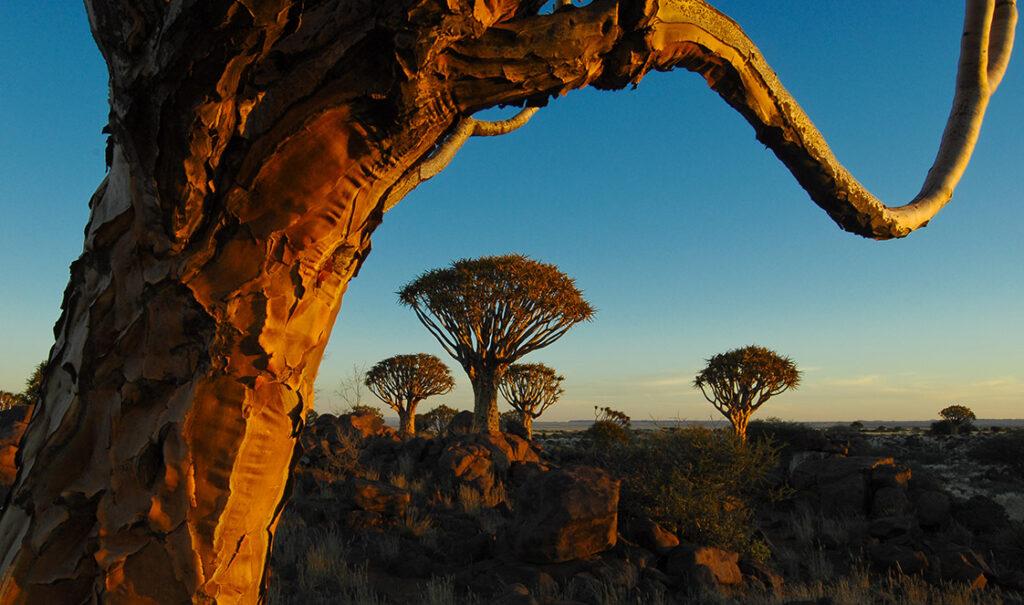
The Best of Namibia
Places Windhoek, Kalahari, Fish River Canyon, Luderitz, Tiras Mountains, Namib Desert, Swakopmund, Ugab Valley, Etosha National Park, Waterberg Plateau
from getting current exchange rate… per person sharing
Weather in Namibia in January – for whom is it a good time to visit?
The weather in Namibia in January is ideal for people who like hot conditions and want to avoid busy periods of the year.
January is the peak of the rainy season in Namibia and is typically one of the hottest and wettest months. However, weather conditions vary significantly across the country, making this generalisation overly simplistic.
The Namib Desert stretches along the coastline and receives only 2 mm of rainfall per year. The southern region is cooler than the north due to the influence of the Benguela Current from the Atlantic Ocean. So, if you prefer cooler temperatures, visit the charming coastal towns of Swakopmund and Luderitz in January.
Southern Namibia is also very dry, and temperatures rise as you travel further inland. Explore the Fish River Canyon in the Kalahari Desert but time your visit around sunrise and sunset for cooler temperatures.

Rainfall is more persistent in the central regions and increases as you move northeast. January experiences the most rain, but this is usually in the form of short afternoon showers that should not spoil your experience. If heavy rain does occur, plans for the day can be easily altered, which makes January suitable for flexible travellers.
Average temperature in Namibia in January
In January, the average maximum in Namibia varies from 30°C to 38°C (86 to 100°F). However, temperatures in the deserts can exceed 38 °C (100°F). Nighttime temperatures range from 14°C to 17°C (57 to 62°F). High temperatures during this time of year mean it is advisable to protect yourself from the sun and stay well-hydrated.

Which are the best places to visit in Namibia in January?
The Namib Desert
The Namib Desert, stretching 2,000 km along the coast, extending from Angola through Namibia to South Africa, creates regional differences in the weather.
Although it’s the wet season, the good news is that rain is unlikely in January, as the Namib Desert is one of the driest deserts in the world.
In January, venture into the desert from Swakopmund to discover the unique activities, flora, and fauna. However, plan your treks up the dunes at Sossusvlei and Deadvlei for the early morning as the area heats up quickly during the day.
Since it’s the low season, you can find affordable accommodation in Luderitz and discover an intriguing city. You can also board a catamaran to journey into the Atlantic Ocean to spot dolphins, seals, and more, while on land, you can see wild horses.
Swakopmund
Visiting Swakopmund in January is an excellent choice due to the milder temperatures and the range of activities available.

You can explore the German Art Nouveau architecture, a reminder of the country’s colonial past, indulge in delicious seafood, dive into the history at the Swakopmund Museum, or relax on the beach.
Swakopmund is also the gateway to the desert and the Atlantic Ocean. Take a catamaran trip to see a variety of marine life, while a desert tour will take you to unique species such as the ‘Little Five’. Meanwhile, thrill-seekers can enjoy sandboarding or quad biking on the dunes.
Damaraland
January is an underrated month for visiting Damaraland. Spotting elephants and other wildlife is not as easy as during the dry season, and it’s the warmest time of the year. However, it is the low season, which means fewer visitors.
Damaraland’s otherworldly landscapes make it a recommended stop on any itinerary. In the Erongo Mountains, Twyfelfontein and the Brandberg Mountains, you can discover ancient rock art sites, watch a variety of birds and, with a bit of luck, spot elephant and rhino.

In the Damaraland in January, passing afternoon thunderstorms transform the landscape, creating a vibrant atmosphere that nature lovers will adore. Dry riverbeds become temporary rivers, and vegetation emerges, transforming this normally arid region.
Is January a good time to go to Etosha National Park?
Generally, the wet season is not considered the best time to go on a wildlife safari. Therefore, if this is your first safari and you are hoping to see as many animals as possible, January is not the ideal time to visit Etosha.
However, if you have been on safari before and your priority is to experience Etosha with fewer other tourists, January can be a good option. Visit Etosha National Park in January to enjoy fewer crowds, lower prices, and, most importantly, witness the renewal of the annual life cycle.

The expansive dry salt pan, visible from space, turns into a shallow lake spanning fifty miles – a sight few experience. Meanwhile, a vast African sky filled with dramatic afternoon thunderstorms further enhances the photographic opportunities.
January also marks a time of rebirth and offers the chance to witness diverse wildlife. Large flocks of birds arrive to raise their chicks, with flamingos and pelicans being the most recognisable species. The grasslands blossom with wildflowers, providing a nursery for hundreds of wildebeest and springbok to give birth. Although it is challenging to spot them in January, there is still a chance to see four of the Big Five.
You would like to travel to Namibia in January?
Get in touch to start planning your trip!
What to do in Namibia in January? Activities
Is January a good time to go on safari?
January can be a good month to go on a safari for return-visitors as it is the low season with fewer visitors and lower prices. Although the dry season may be the best time for safaris, as the wildlife is easier to spot near permanent water sources, don’t underestimate a wet season safari.
During the wet season, with ample water everywhere, wildlife disperses into the wilderness, making wildlife spotting slightly less rewarding. However, visiting northern parks like Etosha National Park, Damaraland, and the Caprivi Strip is captivating, especially for return-visitors. The rain revitalises the landscape, migratory birds return, blooming wildflowers emerge, and grazers give birth, offering a rare spectacle that few witness.

You can also escape the afternoon heat while on safari as game drives coincide with animal activity in the early morning and late afternoon. While it is the wet season and some areas of the parks may be inaccessible due to flooded roads, passing afternoon storms are unlikely to affect your overall experience.
Independent travellers can opt for a self-drive safari. Alternatively, an expert guide can drive long distances while sharing insights into the wildlife, people, and history. Private guided safaris are perfect for romantic couples or families, while on small group safaris, you can share the cost for vehicle and guide with other travellers from around the world.
Is January a good time to go on Desert Tours?
If you visit Namibia in January, prepare for an exciting desert tour, a highly recommended year-round activity.
The most popular tours venture into the Namib Naukluft National Park. At Sossusvlei, visitors can explore Deadvlei, visit Sesriem Canyon, and hike to the top of Big Daddy Dune and Dune 45.
No matter the season, tours begin at dawn, allowing for cooler hikes and a chance to see the dunes illuminated by the morning light. You can also overnight inside the park, allowing you to reach the peak of the dunes in time to watch the sunrise from the top.

Guided tours that start from Swakopmund allow you to discover desert-adapted species. During this experience, you’ll observe unique species hidden from untrained eyes, which will open your eyes to the life that surrounds you.
You can also enhance your desert experience by taking a hot-air balloon safari over the dunes of Sossusvlei or enjoying a stargazing session with expert guides. Discover more on our What to Do page.
What is the cost of visiting Namibia in January
Visiting Namibia in January, the low season, means fewer tourists, lower prices, increased availability and the chance to make last-minute bookings.
During this time, you can choose from a variety of accommodation options, including lodges, guesthouses, family friendly farm stays, luxury tours, and the option of camping under the stars.
When you book with us, you can rest assured that you are in safe hands, but we encourage you to read our reviews to see what others have to say about us.
Our team is committed to creating memorable experiences, so if you are interested in a trip to Namibia in January, schedule a no-obligation conversation with one of our Travel Experts. They can help you create an itinerary tailored to your preferences and budget.

Other things to consider
When booking your accommodation in Namibia’s national parks, there is a slight difference to consider.
Accommodations inside parks like Etosha National Park are state-owned. They are a popular choice because they are located near waterholes, allowing visitors to watch wildlife come and go. At night, they are floodlit, and observers can see nocturnal visitors to the waterhole. However, places to stay outside tend to be privately owned and offer a higher standard of accommodation with charming hospitality.
In some parks, such as the Namib Naukluft National Park, you will find a combination of both types of accommodation. But don’t worry, one of our Travel Experts will explain more when you choose your accommodation.
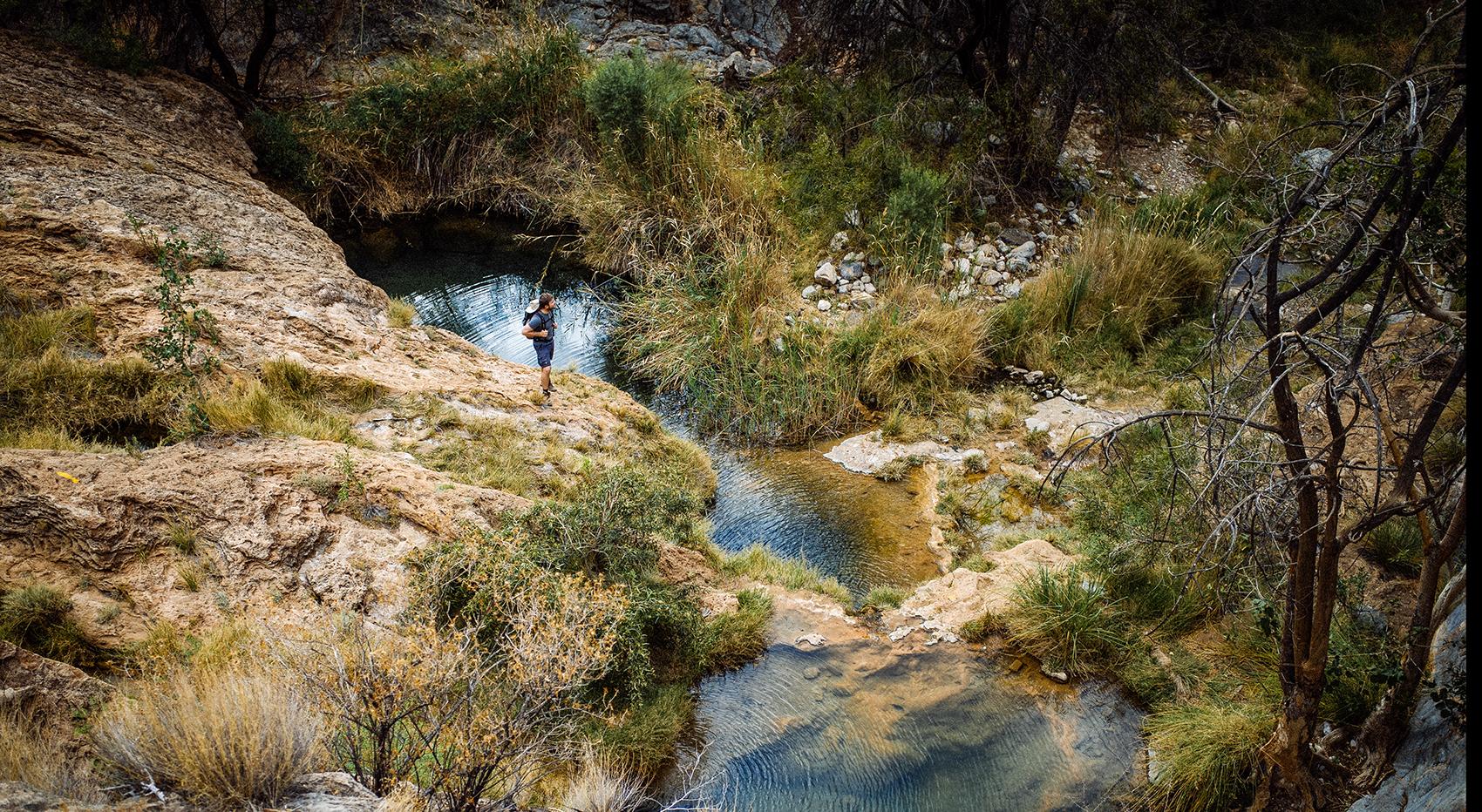
What to wear in Namibia in January
January is hot. The best way to protect yourself from the sun is to wear light clothing that covers your arms and legs, a wide-brimmed hat and a good pair of sunglasses. However, using sunscreen and wearing a T-shirt, shorts, and a cap can be just as effective.
Drinking small amounts of water frequently is essential for staying hydrated. Carrying a reusable water bottle is an excellent way to reduce single-use plastic waste. Additionally, using a Camelbak, which can be worn on your back, allows you to effortlessly sip water while participating in activities such as climbing dunes.
When you book with us, we will email you a packing list and other guides to help you prepare. In the meantime, you can read our online packing list.

Is January a good time to visit Namibia?
While it is considered the low season, January in Namibia presents a unique opportunity. Despite the heat and possible rain, you can avoid crowds, enjoy revitalised landscapes, and take advantage of lower prices.
This quieter time also allows for a more intimate wildlife-viewing experience and a chance to see migratory birds and the calving season. However, a dry-season safari is a better option to see as much wildlife as possible.
If you’re excited about experiencing the magic of the wet season, contact one of our Travel Experts to turn your dream trip into reality.
On the other hand, if you’d prefer to avoid the heat, read our Best Time to Visit guide for alternative options.


