 on Tripadvisor


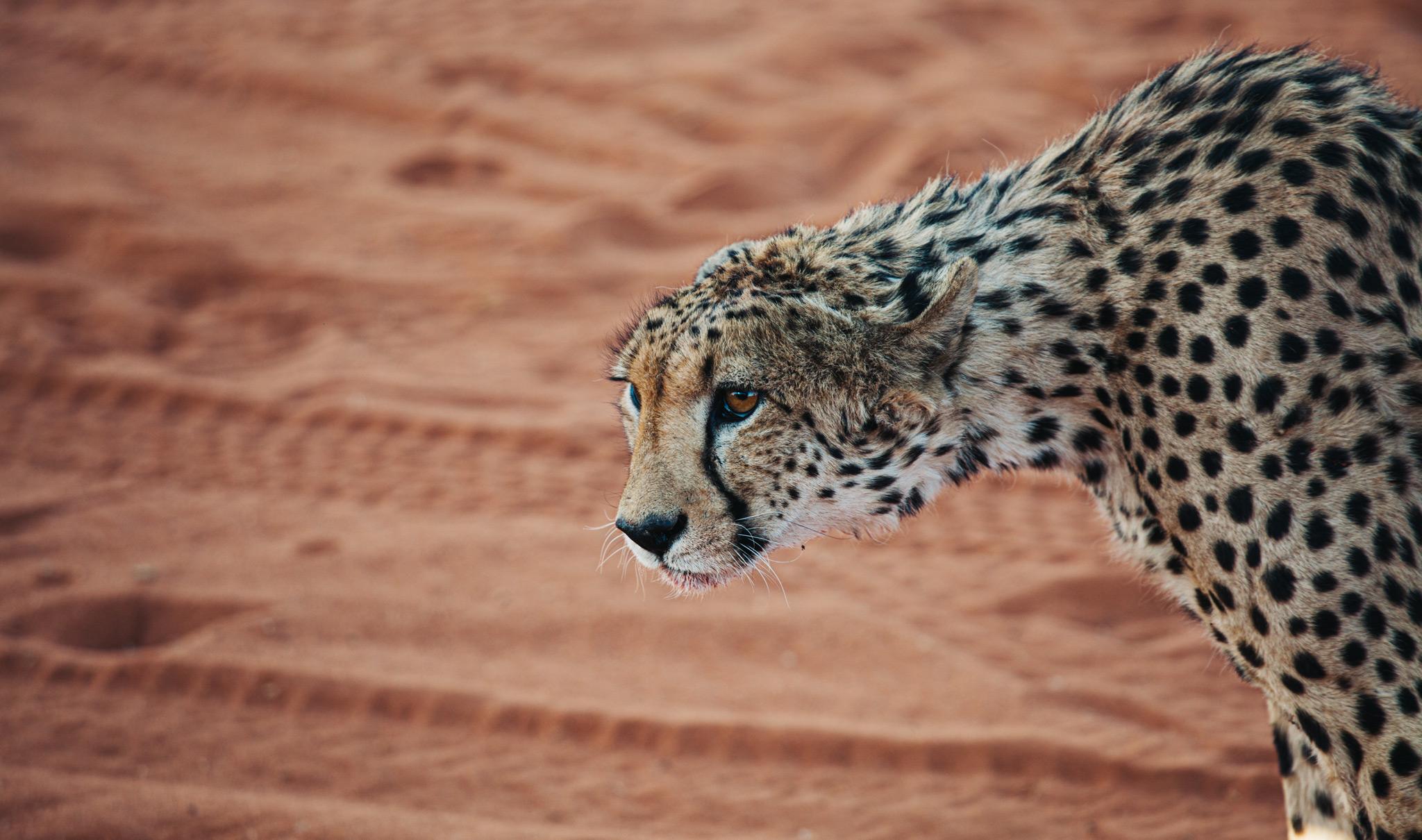
Namibia is one of the top destinations in Africa to see cheetahs in their natural environment – both in the wild and in protected reserves. Its vast, open landscapes offer unique opportunities to observe the world’s fastest land animal, plus, what’s more: Namibia is a global leader in cheetah conservation.
Thanks to dedicated efforts by NGOs, landowners, and local communities, the country has developed a strong framework that balances wildlife protection with sustainable tourism and land use.
This means that visitors cannot only enjoy remarkable wildlife encounters but also support vital conservation work aimed at securing a future for these endangered cats. Whether you’re hoping to catch a glimpse of a cheetah roaming freely across the savannah or prefer the educational experience of visiting a conservation centre, Namibia is sure to deliver.
Read on to find out where to see cheetahs in Namibia.
Why Namibia is the Best Place to See Cheetahs
Namibia is home to approximately 3,000 to 3,500 cheetahs, making it the country with the largest population of these cats in the world – freely roaming. They primarily live outside national parks, often on farmland and private cheetah sanctuaries and reserves, where innovative conservation models support their survival.
Namibia’s success in cheetah protection is rooted in strong collaboration between government bodies, local communities, and environmental organisations. From habitat protection to conflict mitigation with livestock farmers, the country is tackling wildlife management on many fronts.
For travelers, this means there’s a good chance to see cheetahs in both natural and semi-managed settings – a truly inspiring, and rare, experience.

Best Places to See Cheetahs in the Wild in Namibia
As the country with the largest cheetah population size in the wild, Namibia offers above-average chances of close encounters with these strikingly beautiful cats.
The following national parks and renowned conservation centres are among the best places to see cheetahs in the wild and semi-wild.
1. Etosha National Park – Wild Sightings
If you are keen to spot cheetahs hunting in their natural habitat, Etosha’s vast open plains are the place to be. It is generally known as offering some of the best self-drive safari experiences in southern Africa making it the perfect destination for any wildlife enthusiast.
2. Cheetah Conservation Fund (CCF), near Otjiwarongo
CCF is at the forefront of cheetah rescue, rehabilitation, and long-term species conservation. You can visit its leading research and education centre near Otjiwarongo, where guided tours and daily feeding sessions are part of the program, while an interdisciplinary museum rounds off the experience.
3. Naankuse Wildlife Sanctuary
Located just an hour’s drive outside Windhoek and a mere 30 minutes from the international airport, Naankuse offers cheetah walks and carnivore feeding tours as well as volunteering opportunities.
The nature reserve, which covers 3,200 hectares, provides care for injured and orphaned cheetahs as well as other species, combining hands-on conservation with visitor education.
4. AfriCat Foundation at Okonjima Nature Reserve
Born from the need to reconcile cattle farming, land conservation and generating a livelihood as well as the desire to foster a harmonious coexistence between farmers and predators, AfriCat is known for its work with semi-wild and rehabilitated cheetahs.
Visitors can take part in guided cheetah tracking experiences while learning about the foundation’s conservation and research efforts.
Best Time of Year for Cheetah Sightings
If you want to maximise your chances of encountering cheetahs in the wild in Namibia, the dry season, from May to October, is your best time.
With vegetation sparse and water sources limited, cheetahs and other wildlife congregate around waterholes, making them easier to spot. In addition, with the temperatures being cooler during these months, the animals are more active throughout the day, thus further increasing your chances of an encounter.
While clear skies and open landscapes provide ideal conditions for photography year round, game viewing is at its best during the dry season – be it on a self-drive safari or guided tour.

Tips for Spotting Cheetahs in the Wild
Spotting cheetahs in the wild requires good timing, a keen eye, and – above all – a certain level of patience. A quality pair of binoculars is a good thing to bring on any safari – it helps when scanning the plains for movement in the distance.
The best times to go on the look-out are early morning and late afternoon, when cheetahs, like most other wildlife, are more active and temperatures are lower.
During the heat of the day, check for cheetahs resting in the shade of trees or bushes on open ground. Unlike leopards, they do not climb trees, so keep your eyes glued to the ground.
Driving slowly and quietly increases your chances – and don’t forget to stop often, switch off the engine, and simply watch and listen.
Top Namibia Tours to Spot Cheetahs Up Close
From private safaris to small-group lodge tours and self-drive options, the following hand-picked itineraries cover some of the offer some of the top guided and self-drive tours visiting cheetah hotspots in their natural surroundings as well as in semi-wild habitats.
Namibia’s Untouched North – Private Guided Tour
This 14-day private guided tour is ideal if you have been to Namibia before and are keen to get to know more of the country off the beaten track.
It takes in Etosha National Park, which is a top destination for anyone hoping to spot cheetahs in the wild. Travel with an expert local guide to experience Namibia’s Untouched North and benefit from in-depth wildlife and conservation insights. Want to cover
Fascinating Namibia – Small Group Lodge Tour
The 13-day Fascinating Namibia small-group tour combines adventure with comfort, staying at premium lodges and visiting important cheetah habitats like the Bagatelle Kalahari Game Ranch, where a dedicated cheetah excursion offers an up-close experience with these graceful predatory cats.
Bagatelle is an actively involved partner of the Cheetah Conservation Fund (CCF), and currently home to several orphaned cats.

The North of Namibia – Private Self-Drive
The North of Namibia is a 16-day self-drive adventure that is ideal for repeat visitors looking to explore Namibia’s lesser-known northern regions at their own leisurely pace.
As part of the tour, you can learn more about African carnivores. Join a cheetah tracking experience in a semi-wild setting when visiting Okonjima Nature Reserve, home of the AfriCat Foundation, and go on the look-out at Etosha, one of the country’s foremost destinations for wildlife encounters, including cheetah.
Tailor-Made Cheetah Safaris – Design Your Own Adventure
Cheetah encounters are a strong focus on your Namibia itinerary? Our expert team can advise as well as assist you in crafting a tailor-made itinerary that includes Etosha National Park, Okonjima (AfriCat Foundation), the Cheetah Conservation Fund, and Naankuse Wildlife Sanctuary.
We are on the ground in Namibia and when you book with us, we will guide you through every booking step. Get in touch with us for a no-obligation consultation today!
Great Tours for Cheetah viewing

Fascinating Namibia
Places Windhoek, Kalahari, Namib Desert, Swakopmund, Erongo Mountains, Damaraland, Etosha National Park, Waterberg Plateau
from getting current exchange rate… per person sharing

Namibia’s Untouched North
Places Windhoek, Grootfontein, Etosha, Epupa Falls, Sesfontein, Hoanib Valley, Damaraland, Okahandja
from getting current exchange rate… (based on 6 persons)
Cheetah FAQs
Are cheetahs hard to see in the wild?
Due to their low population density and excellent camouflage, cheetahs are rather elusive but in open landscapes like Etosha, sightings are possible – especially if you visit in the company of an experienced guide or during the dry season.
How fast can a cheetah run?
Cheetahs are the fastest land animals, capable of reaching speeds up to 112 km/h (70 mph) in short bursts, usually under 20 seconds when chasing prey on open terrain.
Are cheetahs endangered?
Yes, cheetahs are classified as vulnerable by the IUCN, with only around 7,000 individuals left in the wild. Habitat loss and human-wildlife conflict are major threats to their survival.
What do cheetahs eat?
Cheetahs primarily hunt small to medium-sized antelope such as springbok and impala. They rely on speed and stealth to catch their prey, usually targeting weaker or isolated animals.
How much do cheetahs weigh?
Adult cheetahs typically weigh between 35 and 65 kilogrammes, with males usually being slightly larger than females. Their lean build is optimised for speed rather than strength.
How tall are cheetahs?
Cheetahs stand approximately 70 to 90 centimeters tall at the shoulder. Their long legs, slender frame, and deep chest are all adaptations for high-speed running.
How long do cheetahs live?
In the wild, cheetahs live around 10 to 12 years, though life expectancy can be longer in captivity where threats such as predation and injury are reduced.
Are cheetahs dangerous?
Cheetahs are not typically dangerous to humans. They are shy and non-aggressive, preferring flight over fight. However, like all wild animals, they should be respected and observed from a safe distance.
What’s the role of conservation in cheetah tourism?
Conservation is integral to any wildlife tourism experience involving cheetahs. Through multi-faceted approaches, conservation in cheetah tourism not only enhances the visitor experience but also supports long-term efforts to protect one of the world’s most charismatic and vulnerable big cats.

Final Thoughts – Where to see cheetahs in Namibia
As a global leader in cheetah conservation, Namibia is not only home to the world’s largest population of free-roaming cheetahs, but has also developed innovative conservation models that integrate wildlife protection with local livelihoods and tourism. As such, it offers one of the best settings to encounter these incredible animals in a meaningful and rewarding way.
Seeing a cheetah in its natural habitat is an unforgettable experience that makes one appreciate the challenges these animals face as well as the efforts being made to secure their future.
As you plan your trip, we encourage you to make responsible travel choices: choose eco-conscious lodges, support community-based tourism, and visit ethical conservation centres.
By doing so, you help ensure that future generations will also have the chance to witness the grace and speed of the cheetah in the wild landscapes of Namibia.
Get in touch for your non obligatory consultation with one of our Namibia experts now, chat to them about where to see cheetahs in namibia and start planning your trip of a lifetime.


