on Tripadvisor


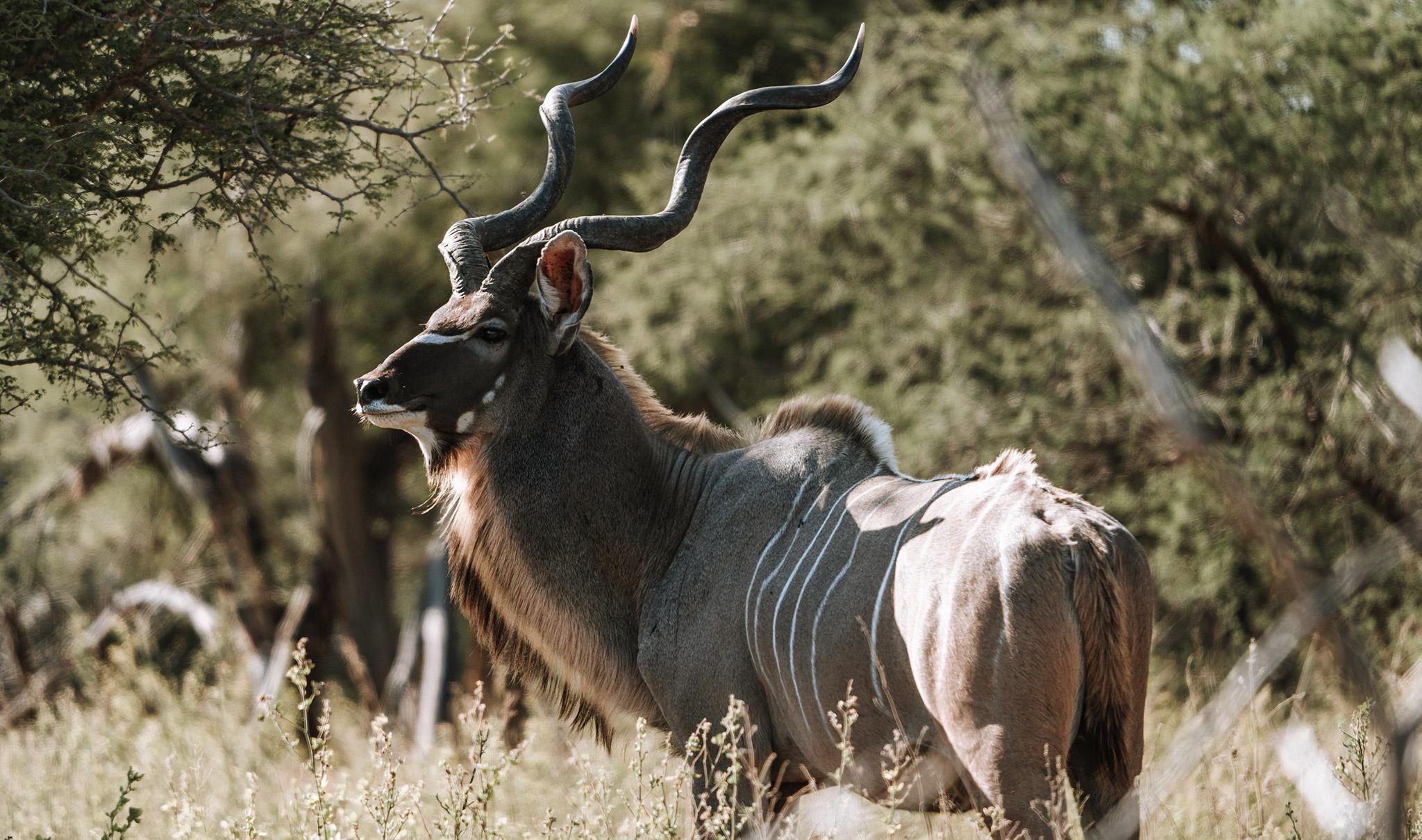
Namibia provides a different kind of safari experience from many of its regional counterparts. Many of its conservation areas are as renowned for their dramatic, sparse landscapes as they are for their wildlife, whose populations are smaller than some safari hotspots and more widely dispersed. But all of this means that when sightings occur, they are particularly memorable. Here are five of the best game viewing destinations in Namibia.
Etosha National Park
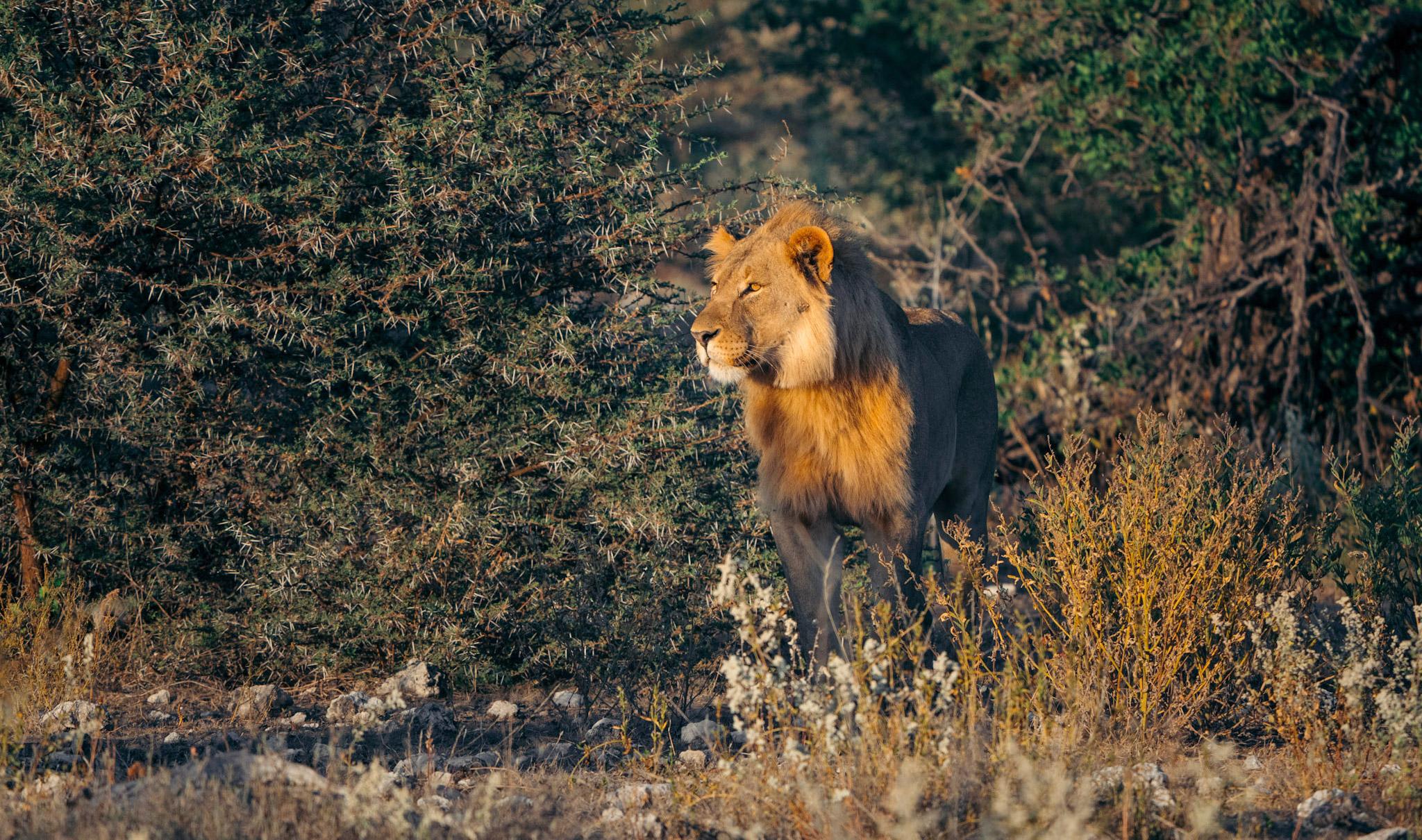
Etosha is the undisputed leader of the Namibian pack and a veritable African heavyweight that matches the likes of Kruger in South Africa, Kenya’s Masaai Mara and Tanzania’s Serengeti. The park is particularly well-known for its rhino and elephant populations, as well as the wildlife carnivals that can be witnessed at various waterholes and around the Etosha Pan in the dry season. Leopard, lion, cheetah, hyena, Oryx, giraffe and zebra all do well here too. Aside from the huge salt pan at its heart, one of Etosha’s distinctive features are the floodlit waterholes that are found on the fringes of various camps. It’s also an unfailingly accessible park.
Etosha National Park is undoubtedly Namibia’s best game viewing destination to experience abundant and diverse wildlife. The secret to Etosha’s success is its many waterholes, which include both natural springs and man-made holes. These provide water for the animals throughout the year, and it is pretty common to see a variety of species, even prey and predators alike, share a waterhole. Famous sites include Okaukuejo, Nebrownii, Kalkheuwel, Namutoni, Rietfontein and Goas.
Zambezi Region (Caprivi Strip)
Standing in stark contrast to the arid, desert landscapes for which Namibia is famous, the lush, green Zambezi Region, formerly known as Caprivi Strip,is equally alluring and its riverine habitats boast large crocodile and hippo populations and stunning birdlife, with more than 430 species. If you’re looking for the big game, lion, leopard, elephant, buffalo and even the rare African wild dog are found in the Caprivi’s various game reserves. There’s nothing quite like spotting game with a cold sundowner in hand on a sunset river cruise. Or to take it to the next level, enjoy a river houseboat safari. Caprivi is still relatively underexplored by tourists, like so much of Namibia, and you’ll certainly never be jostling with other game viewers to get close to a sighting.
Most accommodations here are eco-friendly, striving to blend in and conserve their beautiful environment. Campsites, tented camps and lodges are dramatically located on the shores of the Kwando rivers or the Kavango (Okavango), or along a floodplain or marsh. After Etosha, the Zambezi region is arguably the second-best game viewing destination in Namibia. Encountering wildlife in this region is special since you can discover landscapes, plants and animals here that cannot be found anywhere else in the country. This is where you can experience crocodiles and hippos, and it’s one of the very few places in Namibia where buffalo are present. The highlight of the Caprivi strip is wildlife viewing from the water, either on a traditional mokoro or from a boat.
Kaokoland (Kunene Region)
In Namibia’s wild, unadulterated and strikingly beautiful northern reaches, Kaokoland is a favourite with more adventurous safari goers and 4×4 enthusiasts. It’s also renowned for its substantial population of free roaming black rhino, which can be tracked on foot. The amazingly adapted desert elephants are another highlight. Lions are also sometimes seen here. Zebra and Oryx are easier sightings. Much of the appeal of game drives or walks in this area is the overwhelming feeling of isolation and solitude, which make wildlife sightings particularly special. The fascinating pastoral Himba ethnic group add an extra layer of intrigue to explorations of this area.
Kaokoland lies inland from the Skeleton Coast and spans all the way north to the Kunene River, the natural border between Namibia and Angola. The Kunene is full of crocodiles and two of Southern Africa’s rarest birds can be spotted here, the rufous-tailed palm thrush and the Cinderella waxbill. Where the Kunene plunges down a 40-metre-deep gorge at the Epupa Falls, you can discover many of Namibia’s 240 bird species such as fish eagles, herons, kingfishers and many more. Very few people travel that far into Kaokoland, which makes experiencing wildlife here even more special.
Skeleton Coast National Park
The Skeleton Coast spans from Swakopmund in the south all the way north up until Angola and encompasses the western shore of Namibia. This barren, bleak stretch of coastline is known for its shipwrecks and marine life. Cape fur seals are abundant here, and congregate in large colonies where the action and noise never ceases. At Cape Cross, there are more than 100,000 seals. Off the coast, there are also sizeable whale and shark populations. You can drive for hours here without seeing another vehicle, and therein lies much of the appeal. Springbok, Oryx, jackal and the rare brown hyena are often spotted; rarer are the famous desert-dwelling lions and elephants.
Despite its harsh environment, you can see signs of life when you look closely – insects, snakes, vegetated dunes and lichen fields. It is also worth looking out into the sea for the rare Heaviside’s dolphins and uncommon endemic reptiles, like Nile soft-shelled turtles and armour-plated lizards. The Skeleton Coast is arguably Namibia’s best game viewing destination to experience wildlife somewhat unconventionally: Inspect enormous rib bones of stranded whales or vertebrae, bleached from the desert sun, next to bones of other desert dwellers. The coast got its name from the huge number of animal bones dotted across the desert.
Khaudum National Park
Close to the Botswana border on the fringes of the Kalahari, this is a lesser-known gem on the local safari circuit and wilder and more remote than most, even by Namibian standards. It’s difficult to reach, and there are no permanent lodges, just camping. But for the wilder at heart, it’s well worth the detour from more beaten paths. There are hides at various waterholes where you can spot passing herds of elephants as well roan antelopes, hartebeest and tsetsebes. Lions, leopards and hyena are all present but typically hard to spot. Wild dogs are more numerous here than anywhere else in Namibia, and the elephant population exceeds the human one here by far. Even though there is a wide variety of animals in Khaudum National Park, the game viewing here can be challenging and seasonal. Completely off the beaten track, at least two 4×4 vehicles are needed to discover Khaudum’s untouched wilderness.
Best travel time to see wildlife in Namibia
While you can visit Namibia’s game viewing destinations year-round, the best travel time to see wildlife in Namibia is during the dry season. Since water is scarce during this time, animals congregate at the waterholes, where they are easy to spot. During the dry winter months from July to October, the country’s vegetation is sparser, too, making it easier to find wildlife. Simply visit one of the various waterholes and let the animals come to you.
How to experience Namibia’s best game-viewing destinations
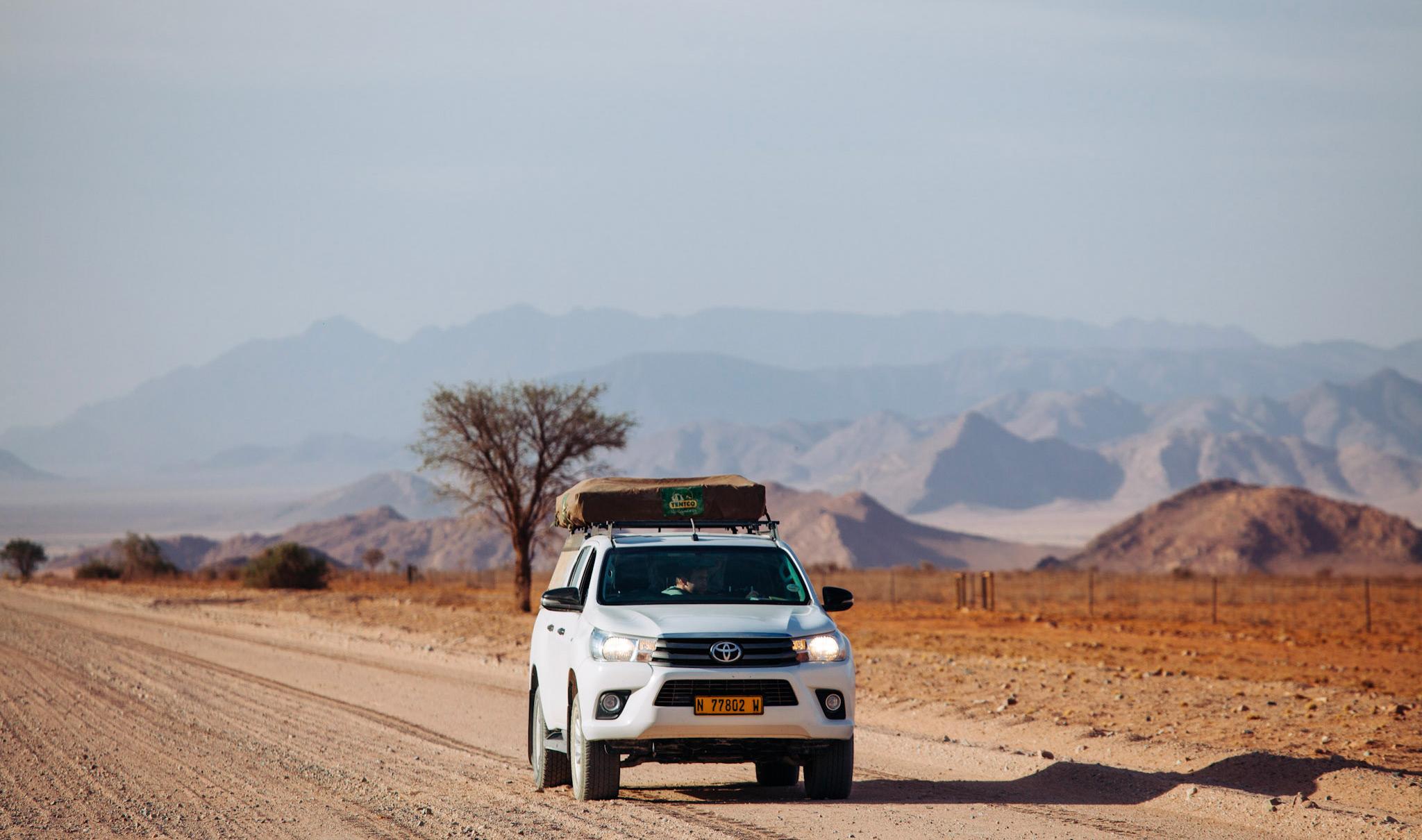
There are various ways to explore Namibia’s best game viewing destinations: Experience a safari as part of a guided tour with a knowledgeable guide, go on a self-drive safari with your rental car, or, if you want a guide’s expertise on your self-drive tour, book a game drive with your lodge.
Itching to experience some wildlife? Speak to one of our Namibia experts. We give you tips on where and when you have the best chances to spot your favourite animals.