on Tripadvisor


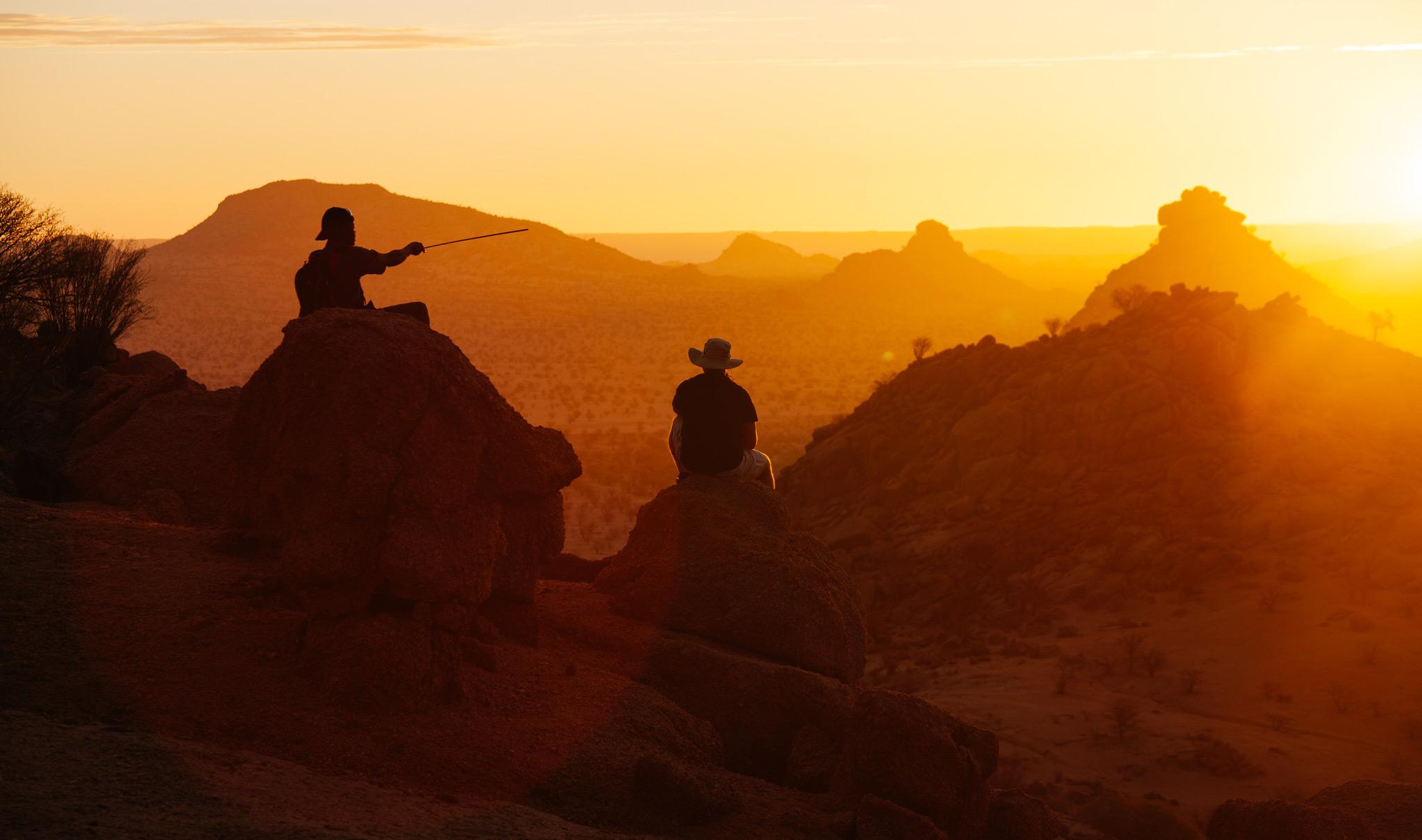
Rising majestically from the heart of Damaraland, Brandberg Mountain is Namibia’s tallest peak. It also is a treasure trove of history and culture, renowned for its ancient rock art.
Beyond its cultural wealth, the mountain draws hikers, geologists, and wilderness enthusiasts with its unique geological formations. While dramatic granite cliffs offer unbeatable panoramic vistas, ancient drawings provide a glimpse into San culture.
Its remote location and striking landscapes create a sense of timelessness, allowing visitors to connect with both nature and history. Whether you are drawn to its views, art, stories, or sheer beauty, Brandberg proves to be an unforgettable destination.
What Makes the Brandberg Mountain Special?
Brandberg is more than just Namibia’s highest mountain; it is a remarkable blend of natural grandeur and cultural heritage. Its striking pose and cultural and spiritual significance have been drawing visitors from far and wide for decades.
The Highest Mountain in Namibia
Standing at 2,573 metres, Brandberg dominates the Damaraland landscape. Its towering presence not only makes it a striking landmark but also a beacon for adventurers seeking challenging hikes. From its summit, hikers are rewarded with sweeping panoramic views of the surrounding valleys and desert plains.
The mountain’s prominence is visible from miles away, serving as a guidepost for travellers.
Age & Geology
With its age estimated to be around 120 million years, the Brandberg granite massif offers a window into geological history. Over millennia, erosion and tectonic activity have shaped the granite into striking shapes, creating dramatic landscapes.
Its unique formations – from jagged cliffs to smooth domes – are home to rare deposits of Brandberg amethyst, quartz, and crystals.
The interplay of light and shadow further enhances the Brandberg’s visual appeal, making it a true natural masterpiece.
Cultural and Spiritual Significance
For centuries, Brandberg mountain in Namibia has held profound importance for the San communities. Its landscapes, considered sacred, are dotted with protected rock art, with the so-called White Lady being the most prominent one.
Dating back at least 2,000 years, the drawings tell stories of spiritual beliefs, hunting practices, and daily life.
Today, these artworks provide a vital link to Namibia’s cultural heritage and continue to inspire visitors from around the world.

The Famous White Lady & Brandberg Rock Art
Brandberg Mountain in Namibia is renowned for its remarkable rock art created by ancient San hunter-gatherers. Scattered across caves and shelters, the paintings make the mountain a must-visit destination for anyone interested in Namibia’s ancient heritage.
Who Created the Paintings?
The Brandberg rock paintings were created by ancient San hunter-gatherers, whose presence in the region dates back thousands of years. Dating back approximately 2,000 years, they provide a glimpse into the San’s spiritual and cultural life.
Depicting a figure believed to represent a ritual dancer or shaman, the “White Lady” is the most famous drawing. Located at the foot of the mountain, it is relatively easy to reach.
Local guides provide insights into its history, symbolism, and the techniques used by the San artists.
Hiking to the White Lady
Visiting the White Lady requires a guided hike, as this helps protect the fragile site from damage. Winding through rocky terrain and dramatic cliffs, the journey is moderately challenging.
Along the way, hikers are rewarded with breathtaking views, unique geological formations, and a close-up encounter with Namibia’s wilderness.
The trek also offers opportunities to observe local flora and wildlife, including desert-adapted plants, birds, and small mammals. By highlighting the mountain’s rich biodiversity, it makes the hike both culturally and naturally rewarding.
Other Rock Art Sites
Beyond the White Lady, Brandberg mountain hosts thousands of other rock art sites. Most of them adorn the walls of cave shelters, depicting humans, animals, and symbolic motifs.
The different sites vary in age and style, reflecting centuries of San occupation. Conservation is essential, as human interference – as well as exposure to the elements – threatens these invaluable cultural treasures.
In order to preserve them for future generations, local authorities take every measure required to ensure these artworks are admired responsibly.
Guided tours, educational programmes, and clear visitor protocols all contribute to protecting the sites. At the same time they allow every visitor to appreciate the artistry and history without causing harm.

Hiking the Brandberg Mountain
The Brandberg range offers some of Namibia’s most rewarding hiking experiences, combining challenging trails with stunning natural beauty. Here, guided routes highlight geological formations, flora, and fauna, while providing safe access to cultural sites.
Trails & Difficulty
There are numerous hiking options available at Brandberg, ranging from short day hikes to multi-day treks across its rugged terrain. The arid climate means temperatures can soar during summer, so early starts, adequate water, and sun protection are essential.
You should also be prepared for loose rocks, steep canyon paths, and sudden elevation changes.
It is a good idea to study maps and trail conditions in advance. However, while challenging, the mountain rewards those who tackle it with spectacular landscapes and unique geological features.
With a profound sense of wilderness, solitude, and timelessness you’ll feel connected with both nature and the region’s cultural heritage.
King’s Stone & Viewpoints
Apart from the Wild Lady, key points of interest include Brandberg’s highest point, King’s Stone, and several panoramic viewpoints.
These spots provide breathtaking vistas across the rugged plains of Damaraland. From here, photographers can perfectly capture the interplay of light and shadow across the desert – particularly during sunrise and sunset.
Safety & Regulations
In order to protect both rock paintings and the environment, and ensure visitor safety, all visitors must hire local guides. In order to minimise human impact, park regulations are strictly enforced, including designated routes and controlled access to sensitive sites.
Temperature extremes, particularly in summer, require careful planning, hydration, and appropriate clothing.

Flora & Fauna of Brandberg Mountain
Despite its harsh, arid environment, Brandberg supports a surprisingly diverse range of plant and animal life. From vegetation clinging to the rockface to wildlife roaming the area, they are proof of nature’s resilience and adaptability.
Wildlife
The valleys surrounding Brandberg are home to an array of desert-adapted wildlife. While elephants occasionally roam the rugged landscape, springbok, klipspringer, rock hyrax, giraffe, and oryx are more frequent.
Birdwatchers will delight in spotting raptors soaring above the cliffs, as well as endemic birds. Apart from Hartlaub’s francolin, these include Rüppell’s korhaan and various larks adapted to the arid environment.
The mountain’s isolated environment supports a unique ecosystem, where flora and fauna have adapted to arid conditions and rocky terrain. Here, you have the opportunity to observe wildlife in a dramatic and largely untouched setting, far from busy safari routes.
Plants
Brandberg supports a remarkable variety of plant life, including numerous aloe species and other succulents adapted to arid conditions. The granite landscape nurtures specialised vegetation that thrives in rocky crevices and shallow soils. T
This unique ecology creates a striking contrast against the stark mountain terrain. It reveals both the resilience and beauty of life in Namibia’s desert environment. Many plants here are endemic or rare, making the area of great interest to botanists and nature enthusiasts.

Location & Accessibility
With its isolated position, Brandberg is striking and wild in equal measures. It is a compelling destination for adventurers and cultural explorers, with the journey itself offering an authentic taste of Namibia.
Where is Brandberg Mountain?
Brandberg Mountain is situated in the heart of Damaraland in north-western Namibia. Its isolated location makes it a striking landmark, rising prominently above the surrounding desert plains.
The region is sparsely populated, which adds to the mountain’s sense of remoteness and wilderness. Visitors are drawn not only by its height and geology. They also come to view its ancient rock art, which lends a special cultural and spiritual significance to the mountain.
The area surrounding Brandberg is a mix of rugged mountains and dry valleys with unique flora and fauna. Here, you can experience an authentic Namibian wilderness far from human settlements and even further from urban centres.
Getting There
The distance from Windhoek to Brandberg is approximately 700 kilometres. The journey takes most of a day by car along the B1 and C35 routes. With a mix of good tar and well-maintained but corrugated gravel, it requires a sturdy high-clearance SUV or 4×4.
From Swakopmund to Brandberg, the distance is around 350 kilometres, with scenic drives through Damaraland’s dramatic landscapes.
You can combine Brandberg with visits to nearby attractions such as Twyfelfontein, Erongo Mountains, or even the Skeleton Coast.
Road Conditions
Access roads to Brandberg are primarily gravel. While they are generally well-maintained, they can be rough in places, particularly after rain.
Even though the roads are generally suitable for guided tours and self-drive trips with careful planning, 4x4s are recommended.
If self-driving, you should be prepared for dust, uneven surfaces, and occasional riverbeds. To ensure a safe and enjoyable journey you should not only check road conditions in advance.
Also allow extra time for the remote and rugged terrain and always carry sufficient supplies.

Best Time to Visit the Brandberg Mountain
The Brandberg region experiences distinct dry and hot seasons, affecting hiking conditions, wildlife activity, and overall comfort. Understanding seasonal patterns and choosing the right time to visit can greatly enhance your experience.
Weather Patterns
Damaraland experiences a largely arid climate, with distinct dry and hot seasons. The dry season, generally from May to September, brings cooler temperatures and clear skies, making hiking far more comfortable.
During the hot season, especially between October and April, temperatures can become extreme. Sun-baked rocks and scorching daytime heat pose risks, especially for unprepared visitors, and it is vital to bring enough water. Thunderstorms in the afternoon are rare but possible.
Planning your trip around milder conditions allows you to explore without the added challenge of oppressive heat or sudden storms. This adds to an enjoyable experience of the different trails, rock art, and viewpoints.
Best Time for Hiking
The ideal period for hiking Brandberg is between May and September, when temperatures are moderate and rainfall is minimal. Early mornings and late afternoons offer the best conditions for trekking, as the sun is lower.
This also ensures softer light, perfect for photography and panoramic views. Sunrise hikes reveal the mountain’s granite cliffs bathed in golden light, while sunsets highlight the surrounding valleys.
Avoiding the high temperatures of the hot season reduces the risk of heat-related issues. It allows for longer treks across rugged terrain, making it safer and far more enjoyable irrespective of your experience level.
Favorite Namibia Tours:

Namibia Highlights
Places Windhoek, Namib Desert, Swakopmund, Spitzkoppe, Erongo Mountains, Damaraland, Etosha National Park, Waterberg Plateau
from getting current exchange rate… per person sharing

Footprints in Namibia
Places Waterberg, Etosha, Ugab Valley, Brandberg, Swakopmund, Sossusvlei, Namib-Naukluft
from getting current exchange rate… per person sharing
Tours That Include Brandberg Mountain
Brandberg Mountain can be explored as part of various tour options, from guided lodge hiking trips to self-drive adventures. Regardless of which option you choose, you’ll get to experience the mountain’s dramatic landscapes, ancient rock art, and unique wildlife.
Guided Lodge Hiking Tour: Footprints in Namibia
The Footprints in Namibia guided lodge tour offers an immersive way to explore some of the country’s best hiking destinations. At Brandberg, you’ll be led along trails that showcase the massif’s dramatic cliffs, ancient rock art, and unique geology.
Along the way, you’ll learn about the San culture, observe local wildlife, and enjoy panoramic views of Damaraland’s rugged landscapes.
This tour is designed for those who want to explore Namibia’s best-known highlights in an active way. With distances being vast, driving times between destinations can be several hours.
However, the itinerary allows you to leave the car to stretch your legs as often as possible. Apart from the safety of organised trekking in a foreign place, you’ll benefit from expert guidance throughout the tour.
Small group sizes and carefully chosen lodges further enhance the experience, ensuring a comfortable, immersive journey with personal attention.
Self-drive: Namibia Highlights
Our Namibia Highlights is a 13-day self-drive tour for independent travellers. With a flexible schedule, it offers the freedom to choose between Brandberg or nearby Twyfelfontein.
To ensure enough time to explore the mountain with its rock art and enjoy surrounding landscapes, careful planning is essential. A self-drive tour with pre-organised accommodation and emergency support is ideal if you want to travel at your own pace.
At the same time as giving you independence, it provides you with a well-structured itinerary. Detailed route maps make self-driving safe and rewarding, while suggested stops include natural as well as cultural, and historical highlights.
Guided Self-drive: Off the Beaten Path Namibia
As a guided self-drive tour, our Off the Beaten Path Namibiaitinerary combines the thrill of self-driving with guidance throughout. Heading north to the Kaokoland from Windhoek, it allows you to experience the Brandberg’s stunning vistas along the way.
With a knowledgeable guide by your side, you can navigate remote roads safely, and stop at key viewpoints.
Ideal for adventurous travellers, this itinerary provides a unique opportunity to explore Namibia’s wilderness beyond the usual tourist routes. If you crave adventures and are drawn to untouched places, this journey into Namibia’s wild northwest is made for you.
Tailor-Made Private Safaris
Bespoke private safaris are perfect for travellers seeking a personalised experience. Itineraries can include the Brandberg area, with hikes taking you to the White Lady and lesser-known rock art sites.
Spend as many days as you like exploring the mountain and its ancient paintings, as well as the surrounding landscape. Private guides provide expert knowledge, ensuring cultural insights and safe exploration of the rugged terrain.
Our tailor-made trips offer flexibility in pace, duration, and focus, whether your priority is wildlife, geology, photography, or cultural immersion. Each itinerary is carefully crafted to create a unique and memorable journey, tailored to your interests and travel style.

Activities Around Brandberg Mountain
With various activities to choose from, the Brandberg area is ideal for those seeking both adventure and cultural insight. From guided hikes and rock art tours to wildlife observation and photography, there is something for every interest.
Rock Art Tours
Guided rock art tours offer a fascinating glimpse into the ancient San culture, dating back 2,000 years and more. Learn about the stories, symbolism, and techniques behind the paintings as you explore the White Lady and other protected sites. Guides are mandatory, as they ensure both safety and preservation of these priceless artworks.
Guided Hikes
Guided hikes around Brandberg provide safe access to the mountain’s rugged trails and hidden valleys. Expert guides not only take you to the rock paintings but also offer insights into geology, flora, and fauna. This turns every trek into an educational and rewarding experience, with routes ranging from short walks to full-day adventures.
Photography & Landscape Viewing
With panoramic vistas, dramatic cliffs, unique geological formations, and vast barren plains, Brandberg and the Damaraland are a photographer’s paradise.
Sunrise and sunset are the best times for capturing the mountain’s golden tones that are responsible for its name. Beyond the mountain, there are further opportunities for landscape and wildlife photography in the untamed setting of the surrounding Damaraland.
Village Visits in Damaraland
If you are interested in local traditions, crafts, and daily life, you will find answers in nearby Damaraland villages. Here, interactions with locals offer insight into the communities that have lived in harmony with the desert landscape for generations.
Visiting these villages also provides appreciation of the region’s heritage and the ways in which people adapt to hostile environments.

FAQs About Brandberg Mountain
How high is Brandberg Mountain?
Rising to 2,573 metres above sea level, Brandberg is Namibia’s highest mountain. Its towering presence dominates the Damaraland landscape, making it a striking landmark visible from miles away.
While the climb can be challenging, reaching the higher points rewards hikers with breathtaking vistas and a sense of achievement. The summit, also known as King’s Stone, offers panoramic views of the surrounding desert plains, granite formations, and valleys.
The mountain takes its name from the fiery hues cast on its cliffs and domes at sunrise and sunset.
How old is Brandberg Mountain?
The Brandberg granite massif is estimated to be around 120 million years old. Formed during the late Jurassic to early Cretaceous periods, it is one of Namibia’s most ancient geological features.
Over time, erosion and tectonic activity shaped its jagged cliffs, domes, and valleys. The mountain also hosts rare mineral deposits such as Brandberg amethyst, quartz, and crystal, attracting geologists from around the world.
Its age, combined with its cultural significance, makes Brandberg a site of both natural and historical fascination.
Can you hike to the White Lady without a guide?
Access to the White Lady rock painting requires a local guide. The site is fragile, and guides help protect the artwork from damage while ensuring visitor safety.
Hikes to the painting pass through rugged terrain, including rocky slopes and canyons, where expert guidance is essential. Guides also provide valuable insights into the history, symbolism, and culture of the San people who created the paintings.
Visiting with a guide ensures a respectful and educational experience for all.
How difficult is the hike to the White Lady rock painting?
The hike to the White Lady is moderately challenging. It involves navigating uneven ground, rocky paths, and elevation changes, so sturdy footwear and good physical fitness are important.
The trail is guided, which helps manage the terrain safely. While not technically extreme, you should allow sufficient time, carry water, and be prepared for sun exposure.
The reward is a close encounter with one of Africa’s most famous rock paintings, set within a culturally significant landscape.
What accommodation is available near Brandberg Mountain?
Accommodation around Brandberg ranges from lodges and guesthouses to campsites. Most offer comfortable amenities and are well-located for access to hiking trails, rock art sites, and surrounding Damaraland attractions.
Some lodges provide guided excursions and cultural experiences, combining local insight with convenience. Camping options are available for those seeking a more adventurous experience and stay. Due to the remote location, it is advisable to book in advance, particularly during peak seasons, to ensure availability.
What is the best time to visit the Brandberg Mountain in Namibia?
The best time to visit Brandberg is during the dry season, from May to September. Temperatures are cooler, rainfall is minimal, and hiking conditions are generally safer and more comfortable. Early mornings and late afternoons are ideal for trekking, photography, and panoramic views.
The hot season, from October to April, brings extreme heat that can make outdoor activities challenging. Visiting during the recommended months allows for safer, more enjoyable exploration of the mountain, rock art, and surrounding landscapes.

Conclusion – Experience Namibia’s Majestic Brandberg Mountain
Brandberg Mountain stands as one of Namibia’s most iconic natural and cultural treasures. From top to bottom, it offers a rare combination of adventure, history, and spiritual significance.
Towering granite cliffs and unique geological formations, ancient rock art and endemic wildlife attract hikers, photographers, and wildlife enthusiasts alike.
The surrounding valleys, home to desert-adapted fauna and flora, add further depth to the experience. From trekking its rugged trails to photographing its panoramic vistas and learning about its cultural heritage, Brandberg promises unforgettable memories.
A visit here will leave you with a profound appreciation of Namibia’s natural and historical splendour. Get in touch with our travel experts on the ground to find your perfect itinerary including Brandberg and Damaraland.