on Tripadvisor


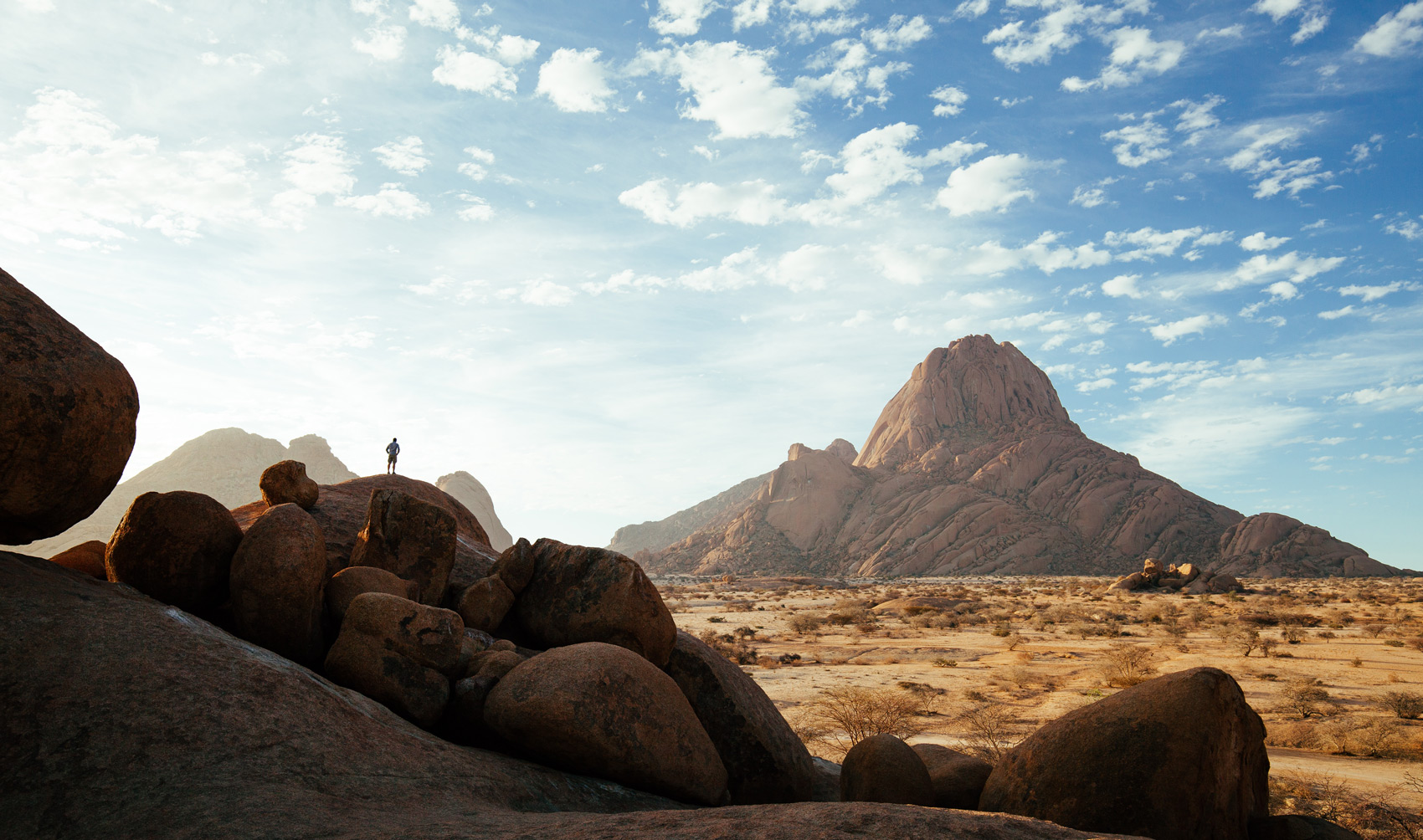
Rising dramatically from Namibia’s arid plains, Spitzkoppe is often called the “Matterhorn of Namibia”. With its striking granite peak, jagged summits and towering boulders, it offers an unforgettable sight for visitors.
Visitors can enjoy nights under star-filled skies and take hikes of varying lengths and difficulty during the day. Photographers are particularly drawn to the mountain’s vivid colours at sunrise and sunset.
Easily reached by road, Spitzkoppe makes an ideal stop on any self-drive itinerary. Whether you are exploring Namibia’s coast, the desert, or national parks, Spitzkoppe is not to be missed. In this guide, you’ll find everything you need to plan your visit.
Why Spitzkoppe Is One of Namibia’s Most Iconic Landmarks
Nicknamed Namibia’s “Matterhorn”, Spitzkoppe rises sharply from the flat Erongo plains, creating a dramatic silhouette visible for miles. Its rugged granite peaks, some over 1,700 metres/5,577 feet high, attract nature lovers, photographers, and adventure seekers alike.
Hikers can explore winding trails and hidden rock arches, while climbers will find challenging ascents to tackle.
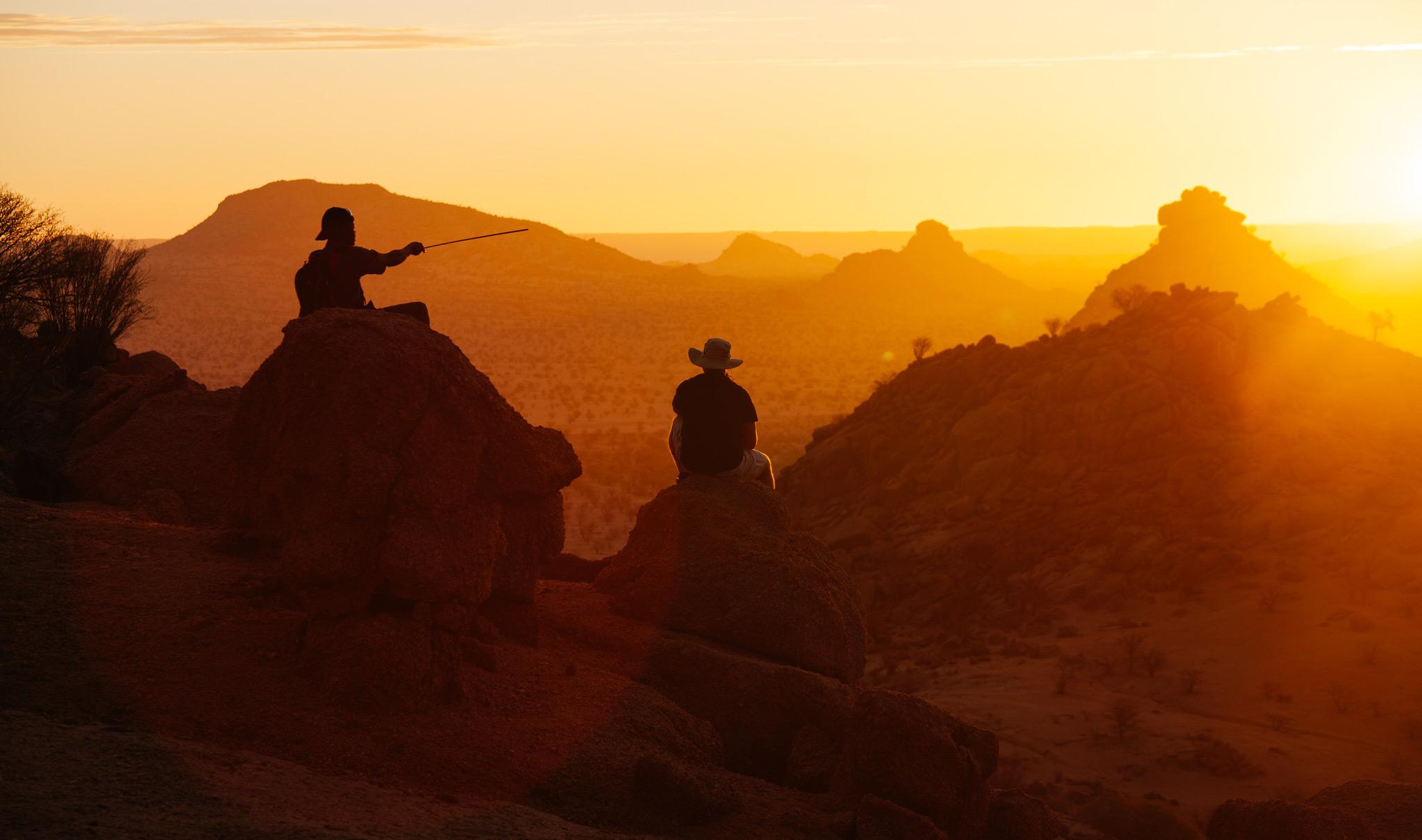
Beyond the peaks themselves, the landscape is dotted with massive boulders and ancient rock formations. These change colour throughout the day, especially at sunrise and sunset, making them a favourite among photo enthusiasts.
The surrounding area offers excellent camping opportunities, allowing visitors to sleep beneath vast, starlit skies. Its combination of natural beauty, geological significance, and accessibility makes Spitzkoppe a perfect addition to any self-drive itinerary.
Whether paired with the coast, Etosha National Park, or the scenic desert landscapes, it embodies the spirit of Namibian adventure.

Where Is Spitzkoppe Located in Namibia?
Spitzkoppe is situated in the Erongo region of central Namibia, approximately midway between the towns of Usakos and Swakopmund. Its remote yet accessible location makes it a popular detour for self-drivers exploring Namibia.
Many travellers combine a visit with coastal excursions to Swakopmund or adventure trips to Etosha National Park. The area’s quiet, open landscapes provide a perfect contrast to the country’s busier tourist hubs. Here, you’ll find a sense of isolation and pristine natural beauty that is hard to beat.
Distances to Spitzkoppe
From Windhoek to Spitzkoppe, the distance is roughly 320 km. This equals about a four-hour drive on a mix of tarred and gravel roads.
Swakopmund lies around 120 km to the south-west, taking about two hours along well-maintained roads.
If coming from Etosha National Park, expect a journey of approximately 400 km, which can take five to six hours.
Please note that major tar and gravel roads are generally well-maintained throughout Namibia, However, you should allow for extra time for longer gravel sections as well as scenic stops. After all, the road is part of the journey and all routes pass through some of Namibia’s most striking landscapes.
How Was Spitzkoppe Formed?
Spitzkoppe is a remarkable example of Namibia’s ancient geology, stunning visitors with its jagged summits rising sharply from the plains. The mountain consists of granite formed over 120 million years ago during the late Jurassic period.
Over millennia, erosion gradually stripped away softer surrounding rock, leaving the dramatic peaks and rounded boulders seen today.
Weathering, wind, and occasional rainfall carved unique shapes into the granite. This led to the creation of isolated domes and striking rock formations that almost seem otherworldly.
Its combination of geological history and natural sculpting makes Spitzkoppe a truly fascinating destination.
Elevation, Rock Formations and the Famous Rock Arch
The main peak of Spitzkoppe reaches approximately 1,728 metres/5,669 feet above sea level, dominating the surrounding Erongo plains. Nearby, smaller granite domes surround it like giant sculptures, providing varied terrain for hikers and climbers.
One of the most photographed features is the Spitzkoppe Rock Arch, a natural formation accessible via a short hike.
Especially at sunrise and sunset, the arch frames spectacular views, offering a perfect vantage point for photographers. As the light shifts, the granite glows in warm shades of red, orange, and gold, creating ever-changing compositions.
The area around the arch is also ideal for quiet exploration. Though not signposted, the popular trails are easy to find and navigate.

What Does “Spitzkoppe” Mean?
Even though the area around Spitzkoppe has long been significant to local communities, the mountain was named by German settlers. Derived from German, it means “pointed head” – a reference to the mountain’s sharp, jagged summit.
The mountain is not just a geological wonder but also a site of human connection spanning centuries. Indigenous San people consider the peaks sacred, and the surrounding plains are dotted with ancient rock art. These paintings serve as reminders that Spitzkoppe has been a place of meaning and storytelling long before modern travellers arrived. Even today, Spitzkoppe continues to hold symbolic and spiritual significance.
Best Time to Visit Spitzkoppe in Namibia
The ideal time to visit Spitzkoppe is during Namibia’s dry season, from May to October. During these months, skies are clear, temperatures are moderate, and rainfall is minimal.
This means, conditions are ideal for various activities, including hiking and climbing, photography, and stargazing. Daytime temperatures are generally comfortable, with cooler evenings perfect for sitting around the campfire or heading out for night photography.
Wildlife viewing around Spitzkoppe is also often better during the dry months, as animals gather around limited water sources.
The green season, from November to April, transforms the landscape with fresh vegetation and occasional desert blooms. While they add a softer, more colourful contrast to the granite peaks, this period can bring short but intense rains. These may make gravel roads slippery and some hiking routes more demanding if not impassable.
Temperatures can be high, frequently exceeding 35°C/95°F, especially between December and February. Winter nights, by contrast, can be surprisingly cold, particularly for campers, and it is important to come prepared.
Overall, the dry season offers the best balance of weather, accessibility, and visual drama. Expect vivid colours and crystal-clear night skies revealing the Milky Way in breathtaking detail so don’t forget your camera!
Where to stay at Spitzkoppe
The area around Spitzkoppe offers a range of accommodations, from camping under the stars to lodges in nearby towns. The different options cater to adventurers and those seeking comfort alike.
Accommodation Near Spitzkoppe
For those preferring more comfort, several lodges and guesthouses are available in nearby towns like Usakos, Karibib or even Swakopmund. These offer modern amenities, including private bathrooms, restaurants, and guided tour options. This option allows you to combine a visit to Spitzkoppe with other highlights in central and coastal Namibia.
A lodge stay is ideal for families, couples, or those who prefer convenience over rustic camping. Many self-drive itineraries incorporate one or two nights near Spitzkoppe. This gives you enough time to explore the area before heading on to other destinations like Etosha or the Kalahari.
Camping at Spitzkoppe
Camping is the most popular way to stay at Spitzkoppe, with several well-maintained sites scattered around the mountain’s base. Here, you can enjoy privacy and tranquillity amid the striking granite boulders and desert plains.
Facilities are basic but adequate, typically including ablution blocks, fire pits, and shaded areas.
The natural setting provides an immersive experience, with the sounds of nature enhancing the sense of remoteness. This is why camping at Spitzkoppe is incorporated into many of our itineraries, such as Namibia’s Wild Side.
In ten days, this guided private tour lets you experience the country’s raw beauty. Camping on-site at Spitzkoppe allows for both early-morning sunrise hikes and evenings spent stargazing under unpolluted skies.

Things to Do at Spitzkoppe
From hiking and climbing, from rock art exploration to photography and stargazing, Spitzkoppe offers a multitude of activities. They not only cater for every type of visitor but also for different levels of fitness.
Bushman Paradise and Rock Paintings
The Spitzkoppe area is home to ancient San rock art, depicting humans, animals, and symbolic patterns etched into granite shelters. These paintings, some thousands of years old, provide insight into the cultural and spiritual lives of Namibia’s earliest inhabitants.
Guides explain the history and meaning behind the motifs. Sites such as Bushman Paradise are carefully preserved, and visitors are encouraged to observe respectfully without touching the art. These sites offer a unique blend of natural beauty and cultural heritage, providing a connection to the region’s rich history. Their careful preservation helps ensure they remain intact for future generations.
Photography and Stargazing
With its dramatic landscapes, unique rock formations, and vivid colours, Spitzkoppe is a dream destination for photographers. The wide-open desert plains allow unobstructed views, making compositions particularly striking, especially during sunrise and sunset.
After dark, the clear, unpolluted skies provide outstanding stargazing and astrophotography opportunities. With unobstructed views of the Milky Way and even distant constellations, the area lends itself to stargazing tours.
Photographers meanwhile can set up long-exposure shots among the boulders or capture silhouettes of the peaks against a star-filled sky. Whether for daytime landscapes or nocturnal wonders, Spitzkoppe offers vistas that remain etched in memory.
Hiking and Hiking Trails
Spitzkoppe offers a variety of trails suitable for all levels. These include short, easy walks around the base as well as longer, more challenging routes up the peaks.
Trails lead along giant boulders, granite domes, and hidden arches, with varying terrain including rocky paths and loose gravel. Trail markings are minimal, so a guide or careful preparation is recommended for those tackling longer routes.
Popular hikes include routes to the main peak, which require moderate fitness and surefootedness. Shorter walks to smaller domes around the mountain’s base are more casual.
Especially higher up and during sunrise and sunset, hikers are rewarded with spectacular panoramic viewpoints of the surrounding plains.

How Long Should You Stay at Spitzkoppe?
Depending on your interests, a visit to Spitzkoppe can range from a short half-day excursion to a multi-day stay.
For most travellers, one or two nights allows enough time to hike to viewpoints, and enjoy stargazing at night. Self-drivers can combine Spitzkoppe with nearby attractions such as Swakopmund, the Namib Desert, or Etosha National Park.
A longer stay not only suits photographers and climbers, but also those seeking a quiet, immersive experience. It gives you time to explore lesser-known trails and fully appreciate the cultural heritage, including ancient San rock art.
Start and end the day by catching sunrise and sunset at different locations, enjoy the shifting colours of the granite peaks, and soak in the serene desert surroundings.
Extended time also allows for camping under the stars and discovering hidden spots that most visitors miss. Having time on your hands allows you to create a truly memorable Namibian adventure.
Tours That Include Spitzkoppe
Spitzkoppe is best explored as part of a camping or self-drive adventure, with several Namibia-Experience tours incorporating this stunning landmark.
Camping Tour Including Spitzkoppe
Our 14-day Namibia Adventure Camping Kaokoveld Tour is ideal for travellers seeking an authentic, immersive experience. With stays at well-equipped campsites around the country, you’ll be able to combine hiking, wildlife, and cultural experience.
Heading north from Windhoek, the tour includes key highlights such as Etosha, Kunene and – of course – Spitzkoppe.
On this private tour, you’ll be provided with all necessary camping gear, and a well-planned route to maximise exploration. Expert guidance allows you to enjoy the freedom of outdoor living while benefiting from local knowledge.
Prioritising experience over pace, this journey offers time and space to connect with the land, far from crowds and schedules.
Small Group Lodge Tour Including Spitzkoppe
For those preferring comfort, the 13-day Namibia Safari Lodge Tour balances adventure with convenience. Travelling in groups with a maximum of seven participants, you’ll be staying in comfortable lodges. The itinerary includes enough time at Spitzkoppe to allow for exploring the landscape and the San rock art.
The small group size allows for personalised attention from guides as well as easy integration with local experiences. This approach is ideal if you enjoy structured itineraries.
Benefit from expert knowledge, comfortable accommodation, and a carefully planned route without compromising in terms of relaxation or exploration.
Self-Drive Tour Including Spitzkoppe
Self-drive tours like our 13-day Namibia Highlights itinerary offer the ultimate freedom to explore the country at your own pace. Our pre-planned tours are carefully planned to cover all the highlights, with road conditions, distances, and key stops mapped out.
Routes can be adjusted, and extra nights at Spitzkoppe can be added for hiking, photography, or stargazing.
Support from local experts ensures you’ll have guidance if needed while allowing complete independence on the road. It is the ideal approach if you want to explore Namibia on your own schedule while benefiting from professional planning.
With the support of our travel experts, you can rely on seamless logistics and up-to-date local knowledge. Furthermore, you’ll have the reassurance that help is always available when you need it.

Guided Self-Drive Tour Including Spitzkoppe
Combining independence with support, the Skeleton Coast Guided Self-Drive Tour passes via Spitzkoppe en route to Henties Bay. It is made for adventurous travellers who are confident enough to drive their own 4×4 vehicles. They will be accompanied by a lead guid. who navigates the route, provides local insights, and ensures safety.
This format is ideal for those wanting the freedom to explore while retaining guidance and assistance when needed. It blends self-sufficiency with expert support, making it perfect for confident drivers seeking a structured yet independent Namibian adventure.
With guidance provided when it matters most, the journey unfolds naturally through some of Namibia’s most remote and compelling landscapes.
Tailor-made Hiking Trip Including Spitzkoppe
If you want to spend several days hiking and exploring the Spitzkoppe, a tailor-made itinerary will be your best choice. You can customise your trip to focus on hiking, photography, stargazing – or to include all of the above.
Hikes are chosen according to your fitness level, and local guides provide expert knowledge of trails, rock art, and geology.
With your choice of camping or lodge stays, this allows for an immersive exploration around Spitzkoppe. Contact our travel experts at Namibia-Experience to help you design a personalised journey that prioritises your specific interests.
Accessibility and Practical Travel Tips
Spitzkoppe is accessible by road from Windhoek, Swakopmund, and other major towns. Note that the route includes stretches of gravel and uneven surfaces, no matter which direction you come from.
A high-clearance vehicle, preferably a 4×4, is recommended, especially if travelling after rain. Petrol stations in the area are limited, so plan ahead and carry sufficient fuel, water, and supplies for your visit.
Pack sturdy walking shoes, sun protection, and sufficient food for hikes or camping. In order to respect and protect the fragile environment, stick to designated trails and avoid climbing on delicate rock art.
Dispose of waste responsibly and only camp in designated areas, where open fires should be used cautiously. Following these practical tips ensures a safe, enjoyable, and environmentally responsible visit. It allows you to fully appreciate Spitzkoppe’s dramatic peaks and serene desert surroundings.
Tours you might like:

Camping Adventure Kaokoveld
Places Khomas Highland, Etosha National Park, Kunene River & Ruacana Falls, Epupa Falls, Hoanib Valley, Palmwag Concession, Brandberg, Erongo Mountains, Spitzkoppe
from getting current exchange rate… (based on 6 persons)

Footprints in Namibia
Places Waterberg, Etosha, Ugab Valley, Brandberg, Swakopmund, Sossusvlei, Namib-Naukluft
from getting current exchange rate… per person sharing
FAQs About Spitzkoppe in Namibia
Where exactly is Spitzkoppe in Namibia?
Spitzkoppe is located in central Namibia’s Erongo region, approximately 120 km north-east of Swakopmund and 320 km north-west of Windhoek.
It is easily included on self-drive itineraries visiting the Namib Desert or Etosha National Park. The closest town is Usakos, a small town providing basic services and a convenient stopover.
Many travellers combine a visit to Spitzkoppe with the Namibian coast or desert landscapes. Its remote yet accessible location makes it a popular detour for nature lovers, hikers, and photographers.
Is Spitzkoppe suitable for camping?
Yes, camping at Spitzkoppe is highly recommended and is the most immersive way to experience the area. Designated campsites offer basic facilities, such as ablution blocks, fire pits, and shaded areas.
Camping allows early-morning hikes, sunset photography, and stargazing under unpolluted skies. The surrounding landscape provides privacy and a sense of remoteness, making it perfect for adventure travellers and nature enthusiasts.
Visitors should bring sufficient water, supplies, and appropriate gear, and respect the environment by following site rules.
How high is Spitzkoppe?
The main peak of Spitzkoppe reaches approximately 1,728 metres/5,669 feet above sea level. Surrounding granite domes vary in height, creating dramatic silhouettes against the desert sky.
The sharp, pointed peaks, often compared to the Matterhorn, dominate the flat Erongo plains. They can be seen from a distance of several kilometres.
Hikes to the main summit or nearby domes require moderate fitness and surefootedness. Higher up, hikers are awarded with panoramic views of the surrounding desert and plains, ideal for sunrise and sunset photography.
What activities can you do at Spitzkoppe?
Spitzkoppe offers a wide range of activities for visitors. Hiking trails range from short walks to more challenging climbs to the main peak and surrounding domes. The area is home to ancient San rock art at sites like Bushman Paradise, providing cultural insights.
Photography and stargazing are highlights, with dramatic sunrises, sunsets, and night skies ideal for long exposures. Campers can relax amid boulders, while climbers enjoy challenging granite ascents.
The combination of adventure, culture, and natural beauty ensures something for every traveller.
How long should you stay at Spitzkoppe?
To fully explore and enjoy Spitzkoppe, a stay of one to two nights is recommended. Camping at its base allows for hikes to viewpoints, photography at sunrise and sunset, and stargazing.
Longer stays suit photographers, climbers, or those seeking a more immersive experience. Travellers on self-drive itineraries often include Spitzkoppe as a stopover between the Namib Desert, Swakopmund, or Etosha National Park.
Planning a relaxed pace helps avoid fatigue and ensures you can fully enjoy both the scenery and rock art.
When is the best time to visit Spitzkoppe?
The dry season, from May to October, is the ideal time to visit Spitzkoppe. Clear skies, moderate temperatures, and minimal rainfall make hiking, photography, and stargazing most enjoyable.
The green season, November to April, brings occasional showers and lush desert blooms but may make gravel roads slippery. Summer temperatures can exceed 35°C/95°F, while winter nights are often very cold.
Sunrise and sunset during the dry season produce vivid colours across the granite peaks. At night, the clear skies provide perfect conditions for astrophotography.

Conclusion – Spitzkoppe in Namibia
Combining dramatic granite peaks, boulder-strewn landscapes, and rich cultural heritage, Spitzkoppe is one of Namibia’s most iconic natural landmarks. With a range of activities to choose from, the area offers an unforgettable experience.
Its accessibility on self-drive routes as well as guided tours makes it an ideal stop on any Namibian itinerary.
Whether you visit for a single night or linger longer beneath its vast skies, Spitzkoppe never fails to deliver. It rewards those who linger longer and take the time to explore beyond the obvious viewpoints.
From sunrise to nightfall to evenings under the Milky Way, the mountain reveals a different character throughout the day.
More than just a scenic stop, Spitzkoppe captures the essence of Namibia itself. It is raw, expansive, and deeply rooted in natural and cultural history.
It is a place that invites reflection, adventure, and a genuine connection to the landscape. Get in touch with our travel experts to learn more and design the perfect Spitzkoppe itinerary.